
|
Share to:
Related Products


-
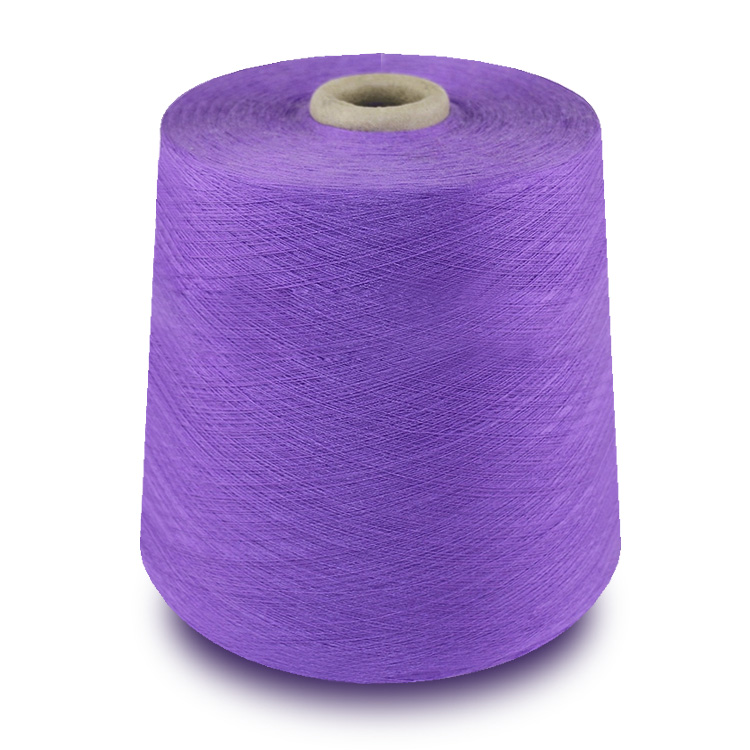
100% polyester dyed spun yarn
LQ-0412 -

100% polyester spun yarn hign tenacity
LQ-0412

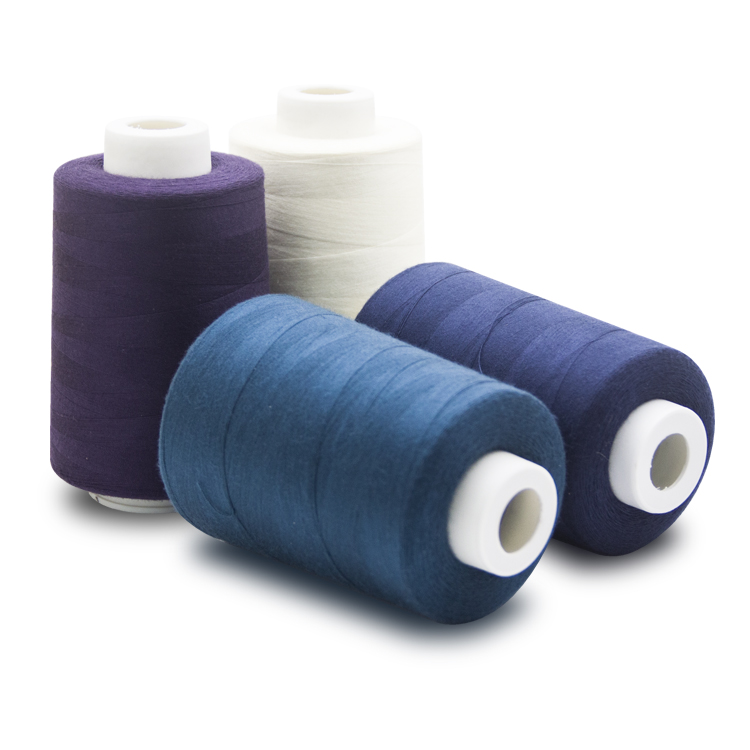
Open end 100% polyester yarn 10S 30S price
LQ-0412
Price: From $0.66
Delivery time: 9-20 days after payment
MOQ: 500 KG
Open end 100% polyester yarn 10S 30S price
Polyester yarn refers to the yarn spun with polyester as the raw material. Polyester is a kind of fiber made of polymer by spinning. It mostly refers to the fiber produced with ethylene phthalate as the raw material. According to the English name of its raw material, "polyphylene terephthalate" abbreviation, PET fiber for short. It is commonly known as polyester in China. Generally, the so-called "yarn" refers to the general designation of "yarn" and "thread". In the field of clothing materials, it is defined as follows: "yarn" refers to the arrangement of many short fibers or filaments in an approximately parallel state, and the twisting is rotated along the axial direction to form a thin object with certain strength and linear density; while "thread" is a strand composed of two or more single yarns. Yarn is a kind of thin thread (usually used as the raw material for weaving) made of cotton, wool, hemp, chemical fiber, etc. by stretching and twisting fiber, and then twisted with cotton, hemp, silk, wool and other thin thread materials, it is called thread.
Chinese name polyester yarn foreign name polystylene terephthalate refers to the cotton yarn characteristics used in the production of polyester to produce cotton yarn with different requirements, different processes, different industry textile raw materials classification of chemical fiber yarn
There are two major characteristics of fiber: first, it is too thin to be observed directly by the naked eye, and its diameter is generally between several microns to dozens of microns or finer; second, its length diameter ratio can reach infinity in tens of millions to tens of thousands or even in theory, which is related to the type of fiber, which makes the fiber obviously show long properties in mechanics.
Natural fiber
Natural fibers exist in nature and can be obtained directly. According to their sources, they can be divided into plant fibers, animal fibers and mineral fibers.
(1) Plant fiber
Plant fiber is obtained from seeds, fruits, stems, leaves and other parts of plants, which is natural cellulose fiber. Fibers from plant phloem, such as flax, jute, Apocynum, etc.; fibers from plant leaves, such as sisal, banana, etc. The main chemical component of plant fiber is cellulose, so it is also called cellulose fiber.
Plant fiber includes seed fiber, phloem fiber, leaf fiber and fruit fiber.
Seed fiber: refers to the single-cell fiber formed by epidermal cells of some plant seeds. Such as cotton and kapok.
Phloem fiber: a single fiber or process fiber obtained from the phloem of some plants. Such as: flax, ramie, jute, bamboo fiber.
Leaf fiber: it is the technological fiber obtained from the leaves or sheath of some plants. For example: sisal, banana hemp.
Fruit fiber: fiber obtained from the fruit of some plants. Such as: coconut fiber.
Animal fiber
Animal fiber is obtained from the hair of animals or gland secretion of insects. The fibers from animal hair are wool, rabbit hair, camel hair, goat hair, yak hair, etc.; the fibers from animal gland secretion are silk, etc. The main chemical component of animal fiber is protein, so it is also called protein fiber.
Animal fiber (natural protein fiber) includes hair fiber and gland fiber.
Hair fiber: a fiber with multicellular structure composed of keratin in the growth of animal hair follicles. Such as: sheep hair, cashmere, camel hair, rabbit hair, mohair.
Silk fiber: a fiber produced by the silk glands of some insects, especially by the larvae of Lepidoptera, and also by the secretions of some mollusks. Such as: silk.
Mineral fiber: it is the fiber obtained from fibrous mineral rock. Its main components are various oxides, such as silica, alumina, magnesium oxide, etc. its main sources are all kinds of asbestos, such as chrysotile, crocidolite, etc.
Chemical fiber
Chemical fiber is a kind of fiber processed by chemical treatment. It can be divided into man-made fiber (regenerated fiber), synthetic fiber and inorganic fiber.
Man made fiber is also called regenerated fiber.
Man made fiber is a kind of textile fiber which is made of materials containing natural fiber or protein fiber, such as wood, sugarcane, reed, soybean protein fiber and other fiber materials which have lost the value of textile processing. Mainly used for textile man-made fibers are: viscose fiber, acetate fiber, copper ammonia fiber.
Synthetic fiber
The chemical composition of synthetic fiber is completely different from that of natural fiber. It is made from some substances that do not contain cellulose or protein, such as oil, coal, natural gas, limestone or agricultural by-products. The synthetic unit is first synthesized, and then the fiber is made by chemical synthesis and mechanical processing. Such as polyester fiber (polyester), polyamide fiber (nylon or nylon), polyvinyl alcohol fiber (vinylon), polyacrylonitrile fiber (acrylic), polypropylene fiber (polypropylene), polyvinyl chloride fiber (chlorine fiber), etc.
Inorganic fiber
Inorganic fiber is made of natural inorganic or carbon containing polymer fiber by artificial spinning or direct carbonization. Including glass fiber, metal fiber and carbon fiber.
Yarn category edit
Different classification methods produce different names:
1) Different materials used: pure cotton yarn, pure fiber yarn, cotton type blended yarn, wool type blended yarn, shaped yarn, etc.
2) The spinning methods are different: ring spinning, air spinning, electrostatic spinning, etc.
3) The spinning process is different: carding yarn, combed yarn, peach wool yarn, etc.
4) Twist direction is different: hand twist (S-twist) and reverse twist (Z-twist).
5) Different uses of products: yarn for weaving, knitting, raising, rope, fishing net, curtain, etc.