
|
Share to:
Related Products
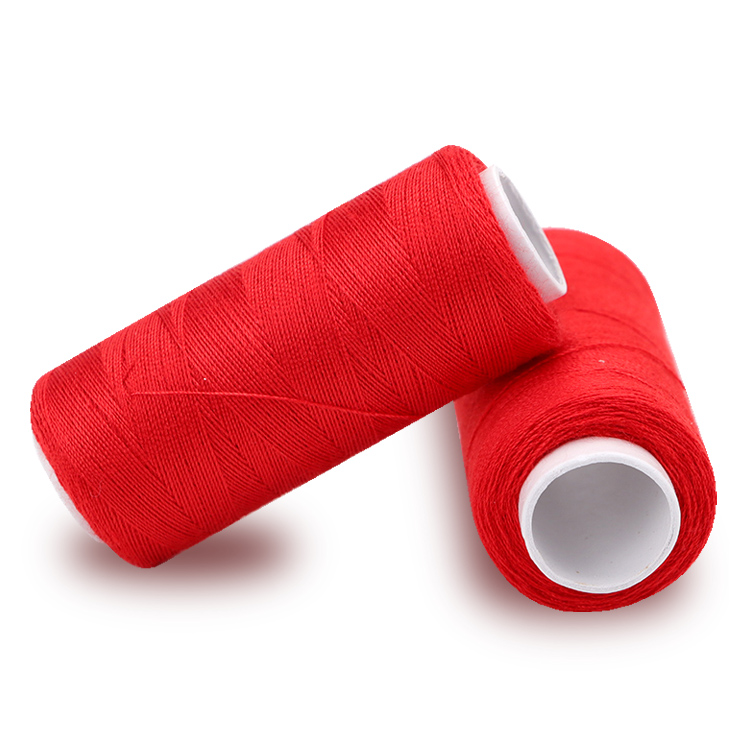
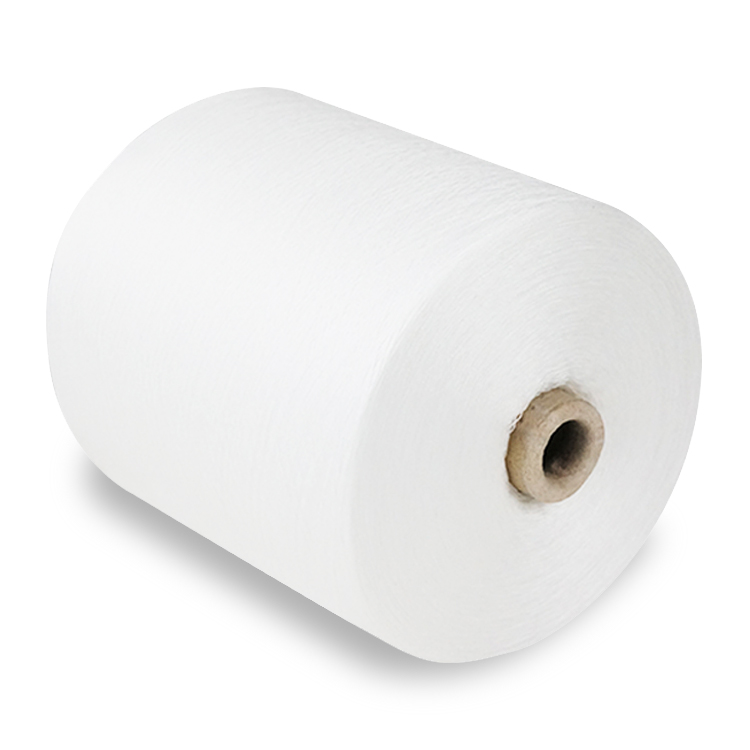
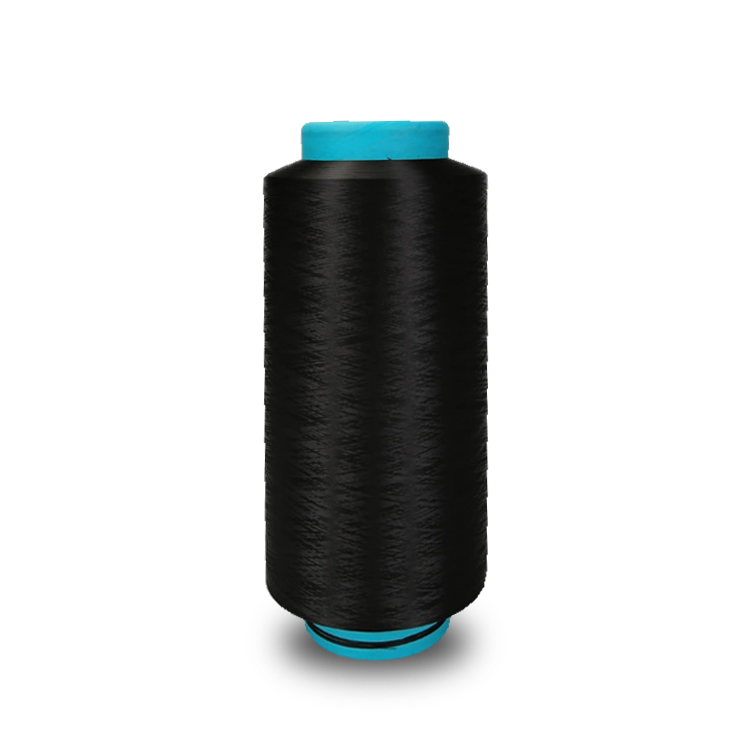


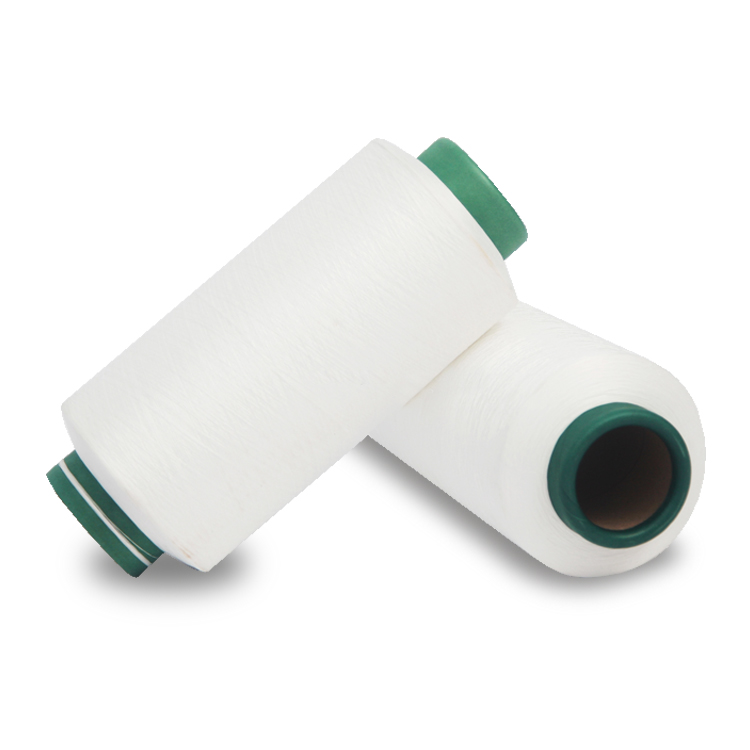
factory sale store 100% polyester spun yarn virgin dyed
LQ-0412
Price: From $0.66
Delivery time: 9-20 days after payment
MOQ: 500KG
factory sale store 100% polyester spun yarn virgin dyed
Printing and dyeing auxiliaries
Printing and dyeing auxiliaries are used in the printing and dyeing process of fabrics, which can improve the printing and dyeing effects. They include printing auxiliaries and dyeing auxiliaries. Printing auxiliaries include thickeners, adhesives, crosslinking agents, emulsifiers, dispersants and other printing auxiliaries.
Chinese name
Printing and dyeing auxiliaries
Foreign name
Textile Printing and Dying Additive
classification
Printing and dyeing auxiliaries can be divided into printing auxiliaries and dyeing auxiliaries. Printing auxiliaries include adhesives, thickeners, crosslinkers, emulsifiers, softeners, diffusers and defoamers. Dyeing auxiliaries include leveling agents, fixing agents, dispersants, fluorescent whitening agents and softeners.
Scouring AIDS
Desizing, scouring, bleaching and mercerizing are all important processes before printing and dyeing, which are called scouring.
Scouring is to boil the desized cotton fabric in 10g / L dilute caustic soda solution for several hours to remove the impurities such as cottonseed shell, wax, pectin, nitrogen-containing substances and pigments on the cotton fiber, as well as the size remaining on the cloth, so as to obtain good appearance and water absorption, and effectively improve the printing and dyeing and finishing effects.
The synthetic fiber does not need scouring, but the blended fabric with cotton fiber still needs scouring, but soda ash should be used instead of caustic soda, or a lower concentration of caustic soda solution should be used.
Some surfactants should be added to the scouring liquor to improve the permeability of alkali liquor, promote the emulsification of wax, and further disperse the impurities separated from the fiber in the scouring solution.
printing assistant
Pigment printing is to adhere insoluble dyes firmly to the fabric with the help of film-forming effect of adhesive, so as to achieve the purpose of coloring.
Adhesive is the main component of pigment printing paste, which is a kind of polymer film-forming material. Through film-forming, the pigment is adhered to the fabric. Therefore, it is required that the adhesive should have strong adhesion and reproducibility to the fabric, aging resistance, solvent resistance, acid and alkali resistance, chemical resistance, clear and transparent film-forming, no discoloration and fiber damage after printing, with certain elasticity, good handle, and easy to use from the printing machine Remove the supernatant.
Thickener is another important component of pigment printing paste. It can thicken color dyeing, promote adhesion and emulsification. The right to use printed fabric can obtain uniform, soft and clear pattern. It can not only improve the color and brightness, but also use less or no kerosene in the printing paste. There are two kinds of synthetic thickeners: anionic thickener and nonionic thickener. The former has strong adaptability and can be used for anti dyeing and dip printing, but the thickening effect is poor; the latter has high viscosity and thickening effect, and has no adverse effect on the brightness, brushing fastness and handle softness of printed fabrics.
The main function of cross-linking agent is to improve the fixing ability of the adhesive. Printing has good firmness performance and can also reduce the curing temperature. Combining with the actual curing time, the curing time should be short, but the dosage should be appropriate, otherwise it will cause poor hand feeling of the fabric.
In order to obtain good emulsifying thickener, alkyl phenol polyoxyethylene ether with end group blocked is usually used, and then isocyanate is used to block the end group. Pigment printing auxiliaries include softener, dispersant and defoamer.
Dyeing auxiliaries
Dyeing agent is the main part of the dyeing process. Different kinds of variegators are used for different fabrics, and the processing aids include cosolvent, dispersant, developer and phthalocyanine. The dyes used in dyeing are indirect dyes, vat dyes, reactive dyes, phthalocyanine dyes and insoluble azo dyes.
Leveling agent leveling agents include natural fiber leveling agent, synthetic fiber leveling agent and blended fabric leveling agent. As leveling agent, the condition is that the dye can be absorbed slowly by the fiber or the dark part can be diffused to the light color part without reducing the fastness of dyeing. All the auxiliaries which have the function of retarding and shifting are called leveling agents.
There are three kinds of fixing agent, cationic surfactant, quaternary ammonium salt without surface activity and resin fixing agent. The fixing agent can make the dye form dye salt which is insoluble in water, or make the dye molecule increase and difficult to dissolve in water, so as to improve the fastness of dyeing.
Dispersant dispersant is an indispensable auxiliary agent in dye processing and application. It can disperse dye particles up to 1 μ m, which is helpful to disperse dye particles
Most of the dispersants are anionic, cationic, nonionic, amphoteric and macromolecular surfactants.
FWA is a kind of fluorescent brightener, which can't be removed by chemical bleaching. With the help of optical complementary color, FWA can make the yellow brown pigment on the fabric which can't be removed by chemical bleaching. Because of the enhancement of luminosity, the whiteness is more gorgeous.
Most softeners have fragrance, aromatics and dyes are mostly petroleum derivatives and contain benzene. If the manufacturer uses poor grade raw materials, it will also cause skin irritation. In the process of washing clothes, small fibers are often entangled, tangled and even broken. After washing for many times, the alkaline effect of detergent will affect the inherent smoothness, extensibility and elasticity of the fiber. What is shown is that the whole garment looks old and shapeless, and the touch is more stiff. The more times the clothes are washed, the more obvious this feeling will be Obviously. The effect of fabric softener is as if a protective film is evenly coated on the surface of fabric fiber. The friction coefficient between fibers decreases due to the adsorption of softener on the surface of fiber.
In our polyester yarn dyeing process, the role of auxiliaries is very big, if the auxiliaries are not used properly, it will cause color and pattern, as well as uneven dyeing and other problems.