

|
Share to:
Related Products
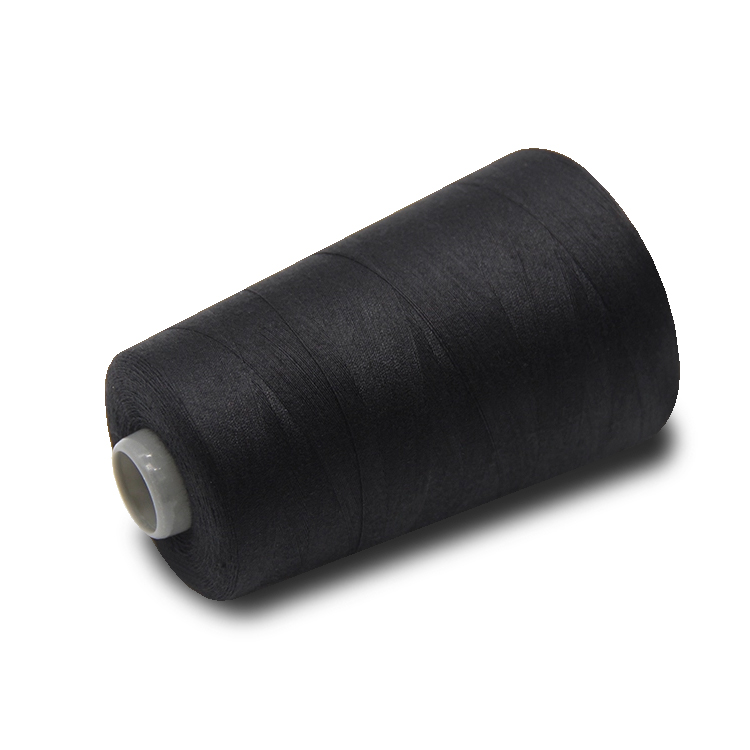
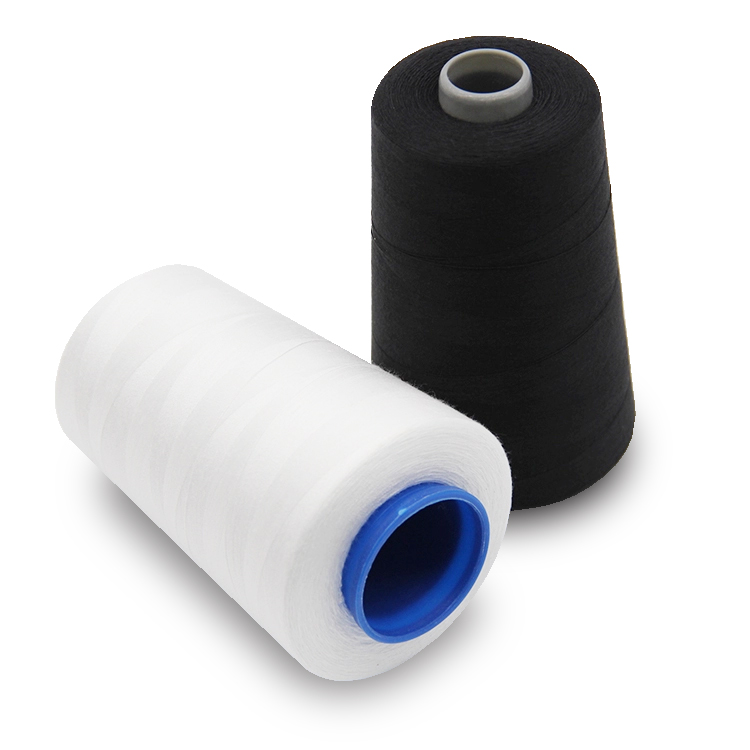
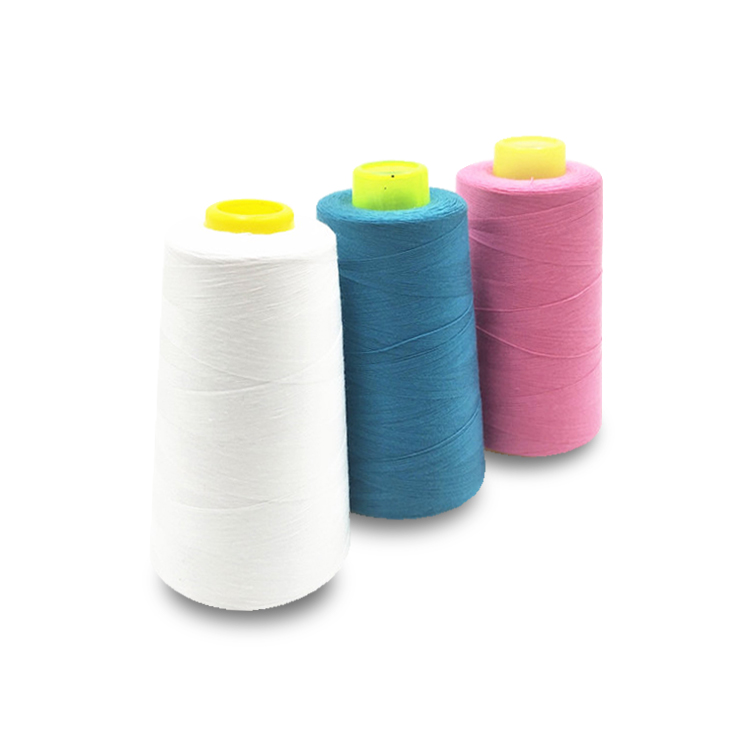
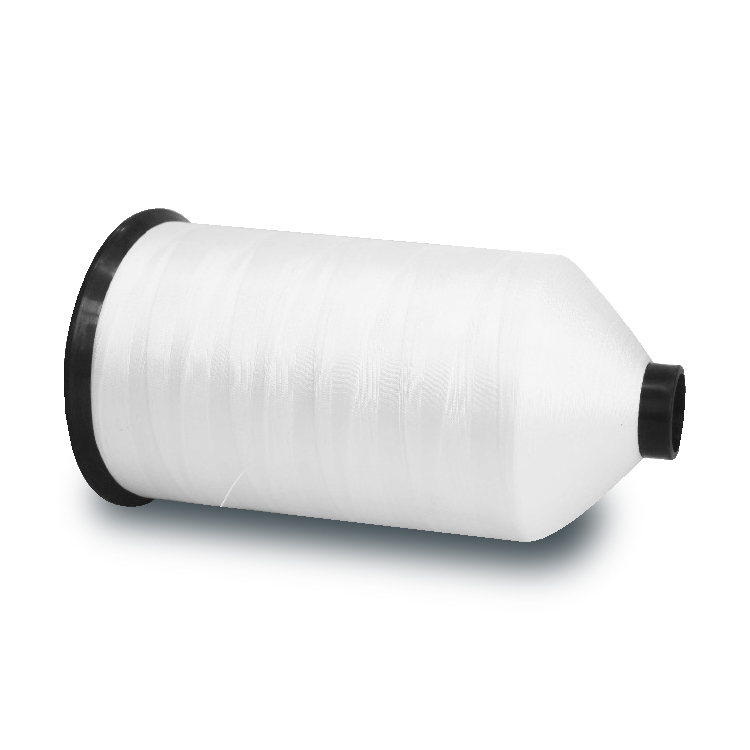

Hot sale professional raw white filament 150D dty polyester yarn for weaving
LQ-0412
Price: From $0.66
Delivery time: 9-20 days after payment
MOQ: 500 KG
Hot sale professional raw white filament 150D dty polyester yarn for weaving
The problem of color difference in cotton / rayon blend dyeing
Pure cotton fiber has the advantages of good hygroscopicity, alkali resistance and heat resistance, but the smoothness, evenness, hand feel and drape of the fabric are less than that of rayon;
Human cotton fiber has good dyeability, high brightness and color fastness, comfortable wearing, moisture absorption close to cotton, but poor resilience and fatigue resistance, and is sensitive to temperature and tension.
The cotton / rayon blended fabric combines the advantages of the two. The fine cloth, Valentine, gabardine and other fabrics not only have the hand feel and comfort of rayon, but also have the characteristics of high moisture absorption, good dimensional stability, good luster and high strength of cotton fiber, which are popular with the public.
In the process of dyeing, because the dyeing speed of rayon is faster than that of cotton fiber, the color yield is higher, and it is easy to dye flowers, so the color light difference of cotton / rayon blended fabric dyed with general reactive dyes is large.
Because the dye is out of sync, the flower is grey and white. This is not a color flower. It can be solved by uneven dyeing and pretreatment.
The dyestuff with good synchronism between dyed cotton and rayon is needed.
Of course, there is another way to reduce the speed of rayon dyeing;
In addition, it is introduced that cotton / rayon dyeing with vat dyes can also result in the problem of homochromaticity? 》The following points are put forward in this paper;
Due to the differences in structure, physical and chemical properties between cotton and rayon, there are differences in color yield and color light after dyeing. Continuous pad dyeing, cold pad batch dyeing and coiling dyeing were carried out for the above two varieties, and the results showed that the process of continuous pad dyeing had the best homochromaticity.
This is mainly due to the long dyeing time of cold pad batch dyeing and coiling dyeing, and the color difference between cotton and rayon is large. In the continuous pad dyeing process, the homochromaticity of vat dyes is better than that of reactive dyes, because vat dyes are immersed in suspension, while reactive dyes are combined with cotton and rayon by covalent bond.
The wet cotton fabric will swell and expand, and the increase of warp diameter will lead to wrinkling on the cloth surface. After bottoming and drying, the fabric door will be reduced; after reduction cleaning machine, the door will be reduced again.
Therefore, it is necessary to stretch before the over reduction cleaning machine, otherwise wrinkles will occur. The standard of judgment is whether the door width of dry and wet cloth is similar. For the above two varieties, it is not necessary to stretch the cotton from the cotton warp and yarn blending, and the cotton / rayon warp and weft blending needs to stretch.
To sum up: Cotton / rayon dyeing with VAT pad dyeing can completely solve the problem of homochromaticity. However, due to the incomplete chromatogram of vat dyes, reactive dye dyeing process is sometimes needed.