
|
Share to:
Related Products

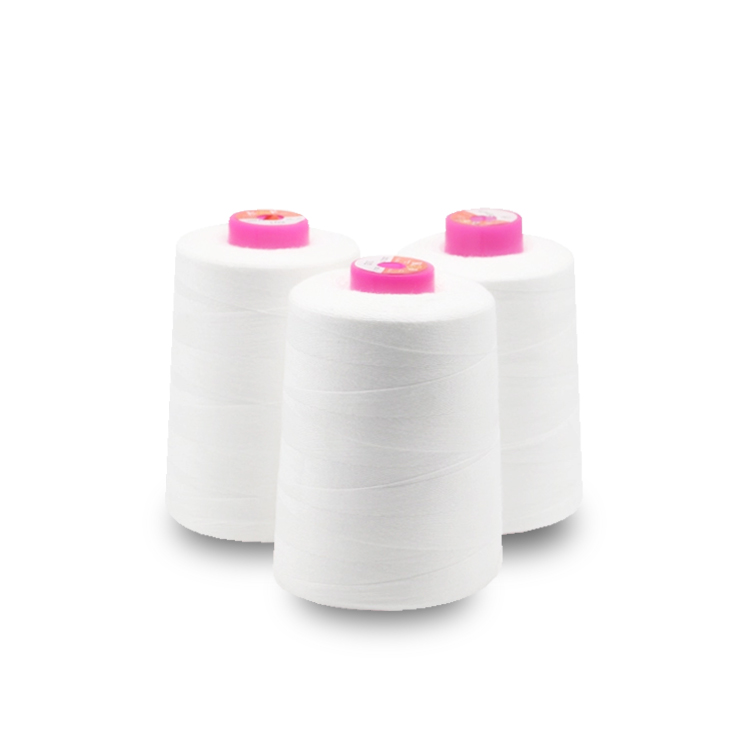
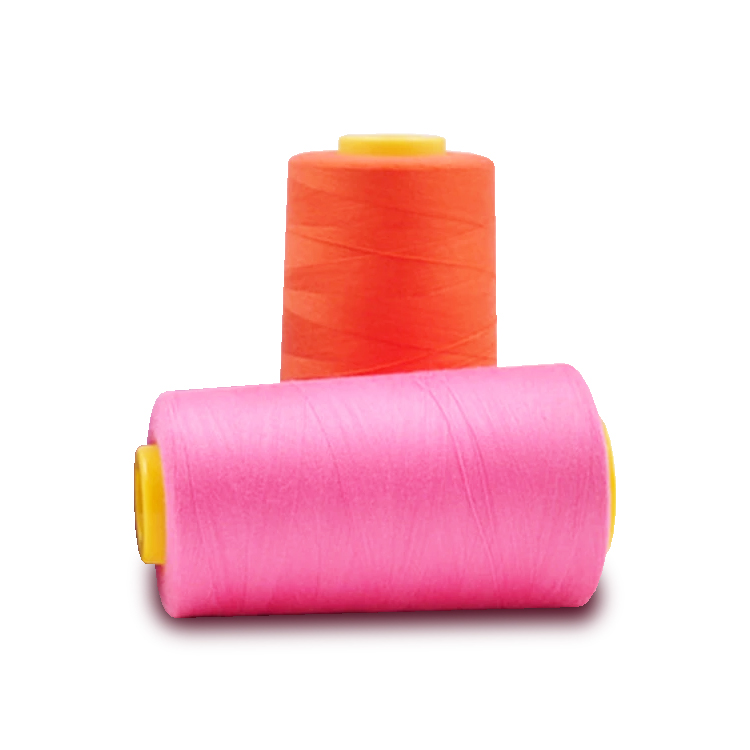
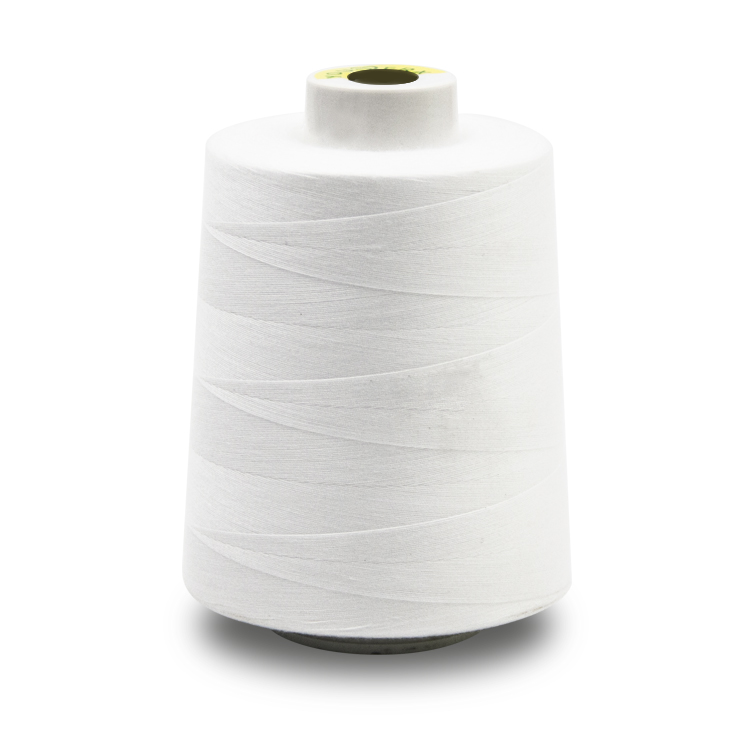

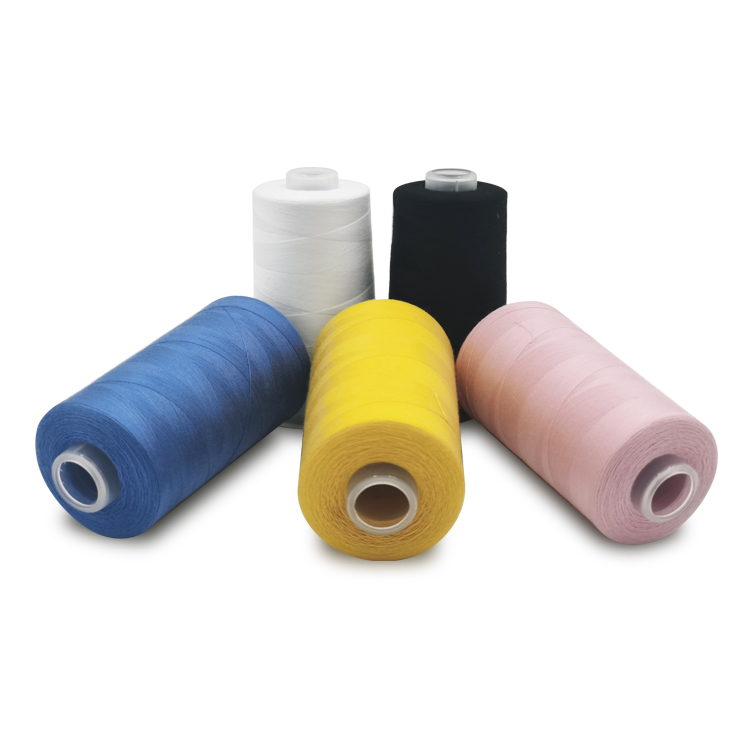
402 100% polyester yarn for sewing thread virgin color yizheng fiber material
LQ-0412
Price: From $0.66
Delivery time: 9-20 days after payment
MOQ: 500KG
402 100% polyester yarn for sewing thread virgin color yizheng fiber material
Directly grow colored cotton! Sustainable fashion or big change
Outside the hustle and bustle of the business world, changes that really determine the future of the fashion industry are quietly taking place in the laboratory.
In a high-tech greenhouse in Canberra, Australia, dozens of Petri dishes are expected by scientists. The plant tissue in the dish will grow into cotton plants in a few days, but they will not be the standard white cotton, but the cotton with natural bright color.
The seemingly insignificant color change actually implies the possibility of changing the global textile industry. CSIRO, Australia's federal scientific and industrial research organization, has recently been committed to producing natural fibers that meet the standards of sustainable development, hoping to produce wrinkle free, naturally dyed, elastic cotton, beyond synthetic fiber fabrics. So far, a team of CSIRO scientists led by Colleen Macmillan has cracked the molecular code of cotton by adding genes to make plants produce color.
Directly grow colored cotton! Sustainable fashion or big change
These colored cotton plant tissues will eventually grow into transgenic cotton. Researchers Filomena pettolino said some of the most beautiful bright yellow colors have appeared in the dishes, as well as the deep purple of beet heads. In addition, the color cotton gene grafted into green tobacco plants has caused color spots on the leaves. If biotechnology makes the leaves of transgenic cotton colorful, then its most important fiber production will also be colored.
It may take months for colored plant tissue to actually grow into a flowering cotton plant. Only then can scientists be absolutely sure of their success. However, the current situation is already very positive.
For the sustainable fashion industry, the research results are definitely a highlight moment. Dr Colleen Macmillan believes that allowing cotton to produce its own color would radically change the rules of the game in the textile industry.
Although cotton is renewable, recyclable and biodegradable, it still needs dyeing in the textile industry, and the use of chemical dyes usually causes pollution in the production process. Finally, dyeing cotton in the hands of consumers, but also because of excessive washing and pollution. Fashion revolution, a non-profit sustainable fashion organization, once pointed out that on average, 25% of the carbon footprint of each garment comes from its daily care, which eventually leads to the discoloration and deformation of clothing.
Textile industry has become the second highest pollution industry in the world. So the CSIRO team is also working to develop natural black cotton to replace the black dye considered the most polluted.
More cotton can also replace synthetic materials. As people become more aware of the environmental cost of fashion, natural fibers such as cotton, wool, Tencel are getting more and more favor. According to some data, in 2015, the global fiber consumption is about 96 million tons, which is expected to increase to 257 million tons by 2050. Most of the textile waste produced is synthetic fiber, which is eventually landfilled and rarely recycled. The synthetic microfibers will eventually remain in the environment, causing more damage than ordinary plastics and will take hundreds of years to degrade.
Australia, where CSIRO is located, is a big cotton exporter. The cotton industry is worth about $2 billion a year. Once this "cotton revolution" is promoted, Australia will become the main beneficiary. The CSIRO team is also working on a longer-term project to develop wrinkle free cotton that does not require ironing. This more resilient fiber will compete better with synthetic fibers.
In sustainable fashion, cotton is a controversial natural material. It occupies an important position in the textile industry, but the production of cotton is also faced with the question of excessive water consumption, chemical pollution, and even the competition between cotton and grain for land. If the research and development of colored transgenic cotton is successful, it will at least reduce part of the environmental cost of cotton.
In order to reduce the environmental impact of cotton, more and more fashion retailers are turning to cotton with sustainable characteristics. Fast fashion Primark will train about 160000 cotton farmers in India, Pakistan and China to use environmentally friendly planting methods by 2022. The initiative is part of Primark's sustainable cotton program, which ultimately aims to achieve 100% of Primark's cotton grown in a sustainable way.
Gap group announced that 100% cotton will be purchased from more sustainable sources by 2025. INDITEX, Zara's parent company, has pledged to use 100% organic, sustainable or recyclable cotton, flax and polyester by 2025.
It takes a long time for emerging materials to move from the laboratory to the mass market, and is often subject to cost factors. Fortunately, the birth of solutions brings new hope to the industry at least.
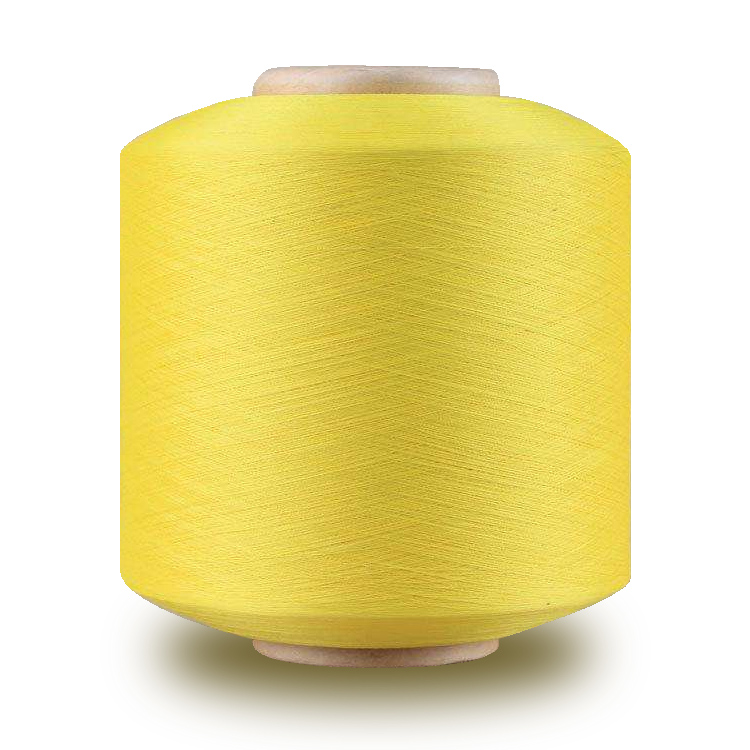
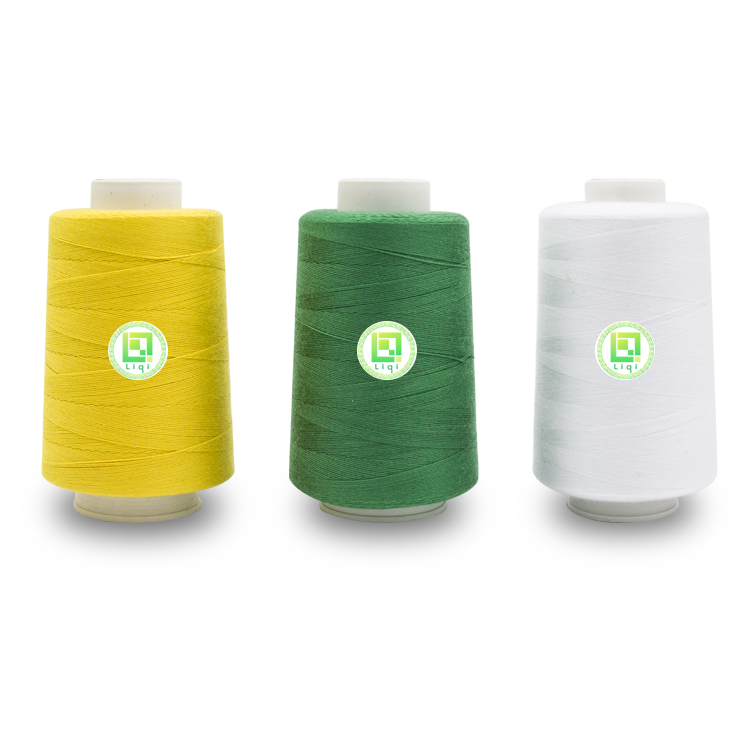
Our textile yarn is also changing with each passing day. I don't know whether our yarn will be directly colored without dyeing in the future.