

|
Share to:
Related Products
-
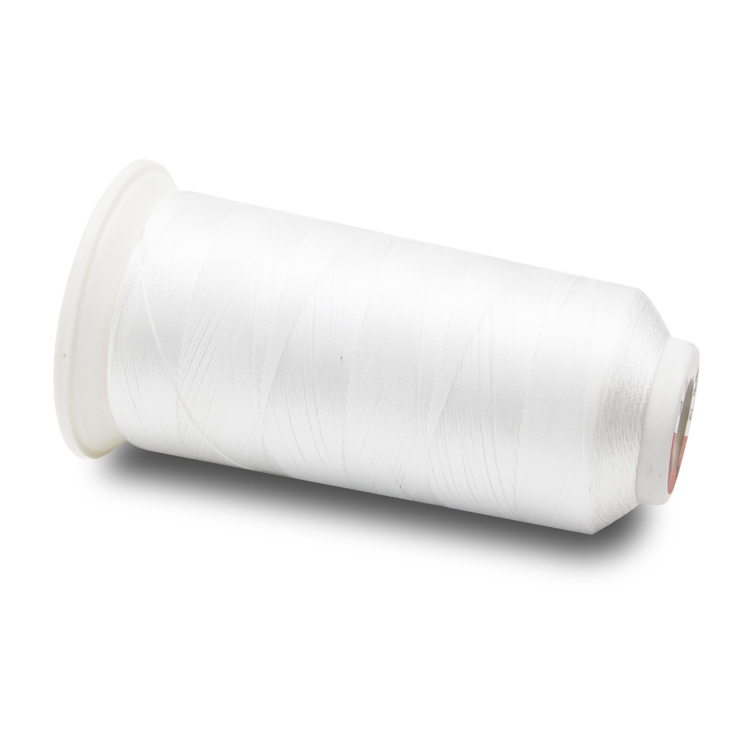
Dyed Filament free sample 100% polyester yarn 150/48 polyester yarn
LQ-0412 -
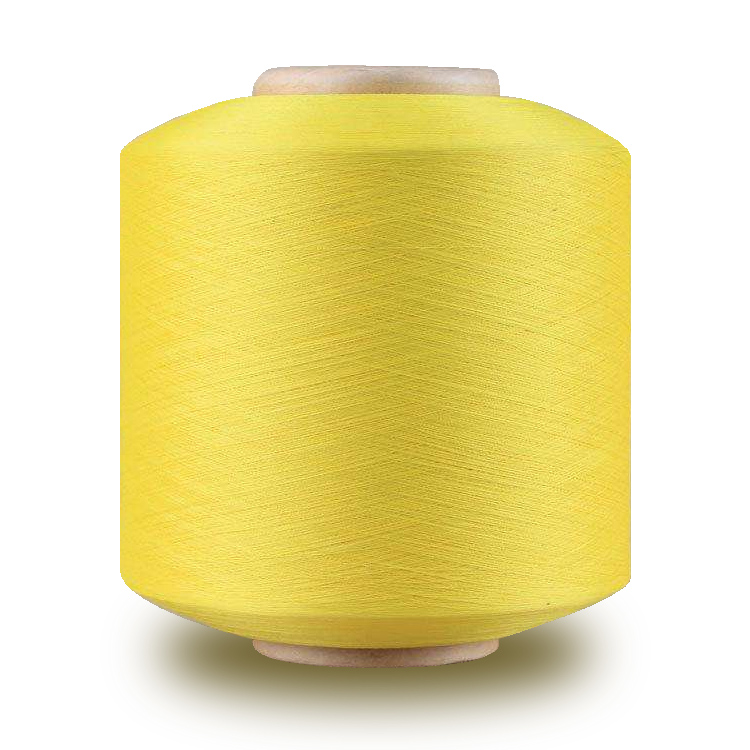
100% polyester filament yarn for nets & ropes
100% polyester filament yarn for nets & ropes
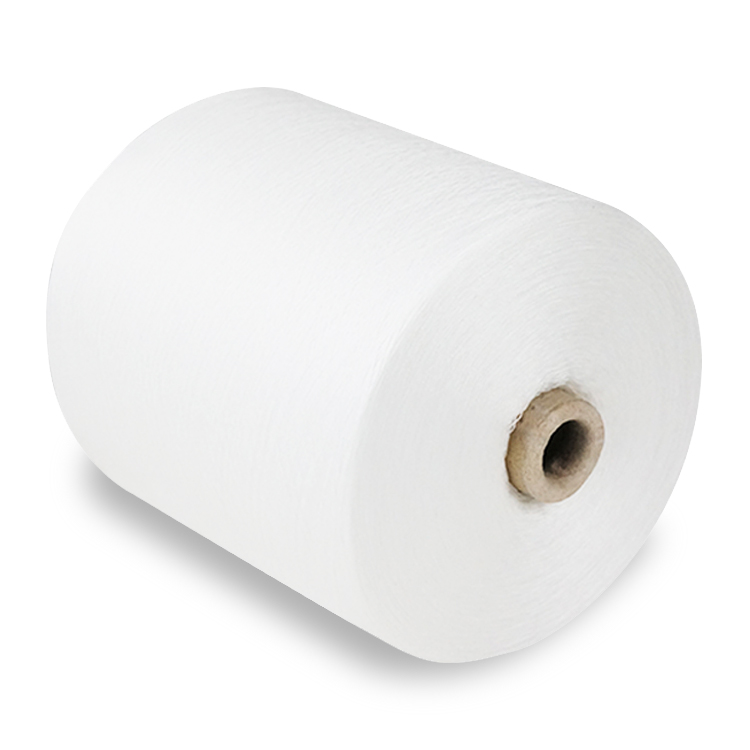
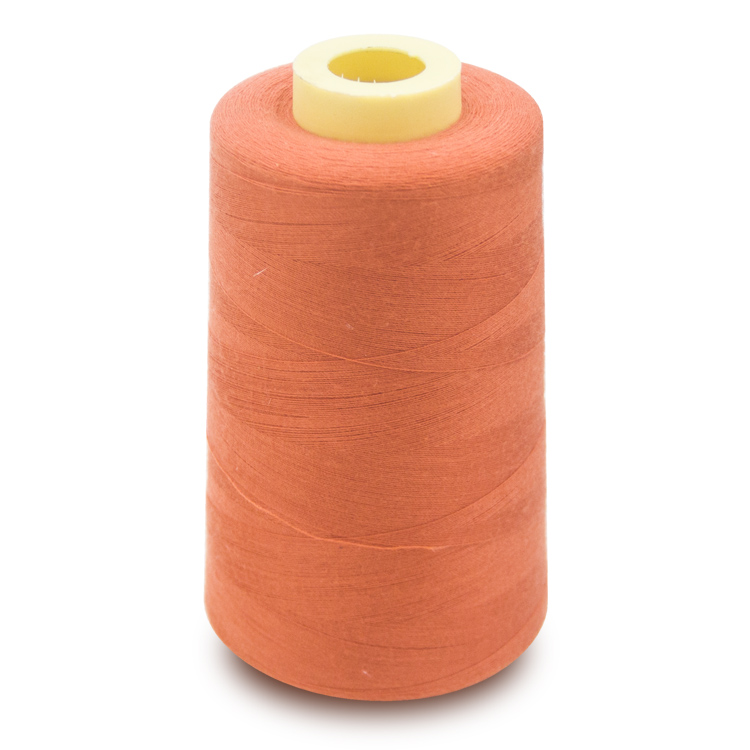

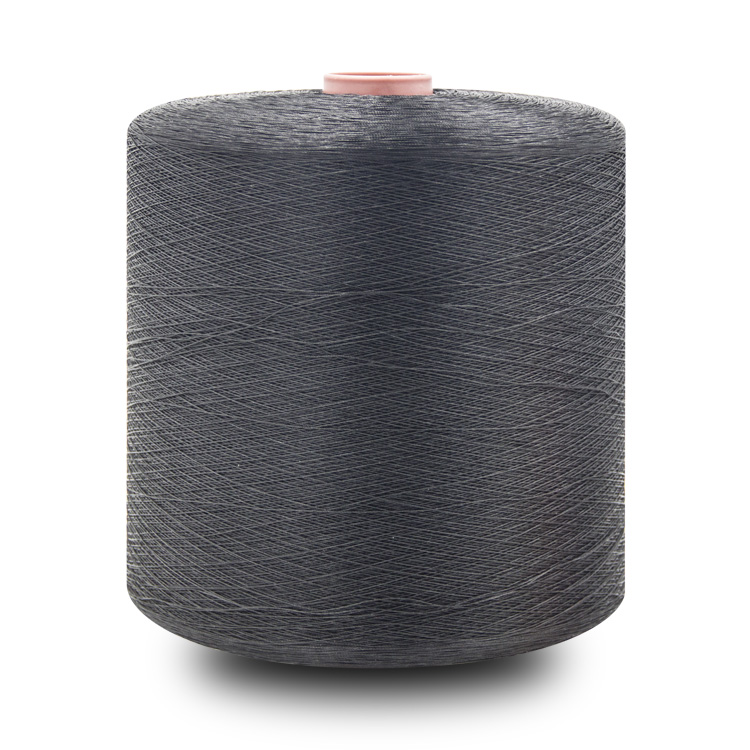
40s/2 42s/2 44s/2 45s/2 new technology 100% space dyed spun polyester yarn
LQ-0412
Price: From $0.66
Delivery time: 9-20 days after payment
MOQ: 500 KG
40s/2 42s/2 44s/2 45s/2 new technology 100% space dyed spun polyester yarn
Yarn category editing
Different classification methods produce different names
1) Different raw materials used: pure cotton yarn, pure fiber yarn, cotton blended yarn, wool blended yarn, profiled yarn, etc.
2) The spinning methods are different: ring spinning yarn, rotor spinning yarn, electrostatic spinning yarn, etc.
3) The spinning process is different: carding yarn, combed yarn, peach wool yarn, etc.
4) The twist direction is different: hand twist (S twist) yarn, back hand twist (yarn Z twist).
5) Different uses of products: weaving yarn, knitting yarn, cashmere yarn, rope yarn, fishing net yarn, cord fabric yarn, etc.
Classification by yarn structure
[1]
(1) high elastic yarn: high elastic yarn or high elastic deformation yarn has high elasticity, but general bulkiness. It is mainly used for elastic fabrics, mainly nylon high elastic yarn.
(2) low elastic yarn: low elastic yarn or deformed elastic yarn has moderate elasticity and bulkiness. It is mainly used in knitted fabrics, especially polyester low stretch yarn.
(3) bulky yarn: bulky yarn has low elasticity and high bulkiness. It is mainly used to make fabrics with good bulkiness such as wool, underwear or outerwear. Its typical representative is acrylic bulky yarn, also known as cashmere.
(4) interlaced yarn, also known as interlaced yarn, is formed by holding part of the filament together before it is formed. This silk has soft handle, bulky and good wool like effect, which is mostly used for women's cloth. In recent years, the popular golf cloth is also made of this silk.
Classification by yarn properties and count
Number of chemical fiber yarn: the thickness of chemical fiber yarn is expressed by metric count "s". Large count indicates fine chemical fiber yarn, while small count indicates thick chemical fiber yarn.
Fineness is used to express the thickness of fiber or yarn, which is the most important index of yarn. The different yarn fineness not only reflects the different uses, but also indicates that the specifications and quality of the fibers used in spinning are different to a certain extent. Generally speaking, higher quality fibers are used in spinning. The yarn fineness can be expressed by two indexes, direct index and indirect index.
(1) the fixed length system refers to the weight of a certain length of yarn. The larger the value is, the thicker the yarn is. The unit of measurement includes special number (NT) and Dan number (nden) [msoffice2].
a. Special number (NT) special number, namely tex, refers to the weight of 1000 m long fiber or yarn at the constant moisture regain, also known as the number. NT = 1000g / L (where l is the length of the fiber or yarn in meters, and G is the weight in grams at a constant moisture regain).
For a single yarn, the Tex can be written in the form of "18 tex", which means that when the yarn is 1000 meters long, its weight is 18 grams. For example, 18x2 means that two yarns with a single yarn of 18 tex are combined, and the ply fineness is 36 t. When the single yarn count of the ply yarn is different, the yarn count is the sum of each single yarn count, for example, 18 tex + 15 t, and the ply count is 33 t.
b. The number of deniers, that is, denier, refers to the weight in grams of 9000m long fiber or yarn at the constant moisture regain, also known as "size". Nden=9000G/L。
The number of Dan can be expressed as: 24 Dan, 30 Dan, etc. For the Dan number of a strand, it is expressed in the same way as the special number. The denier number is usually used to express the fineness of natural silk or chemical filament.
(2) weight setting weight system refers to the length of a certain weight of fiber or yarn. The larger the value, the finer the yarn. The unit of measurement includes metric (nm) and English (NE).
a. Metric count (nm) metric count refers to the number of meters of yarn (or fiber) per gram of weight at a constant moisture regain. Nm=L/G。
The metric count can be expressed in the form of "20 meters, 40 meters", which means that one gram of yarn has a length of 20 meters or 40 meters. The metric count of ply yarn is expressed by dividing the metric count of the single yarn forming the ply yarn by the number of strands, such as 26 / 2, 60 / 2, etc. If the number of single yarn forming the ply is different, the metric count of ply yarn can be expressed by the number of single yarn paralleled by diagonal line. For example, 21 / 42, the metric count of ply yarn can be calculated
Nm = 1 / (1 / N1 + 1 / N2 + --- + 1 / NN) = 1 / (1 / 21 + 1 / 42) = 14 branches
In China, the thickness of wool spinning and wool type chemical fiber pure spinning and blended yarn is still expressed by metric count.
b. British yarn count (NE) British count is the unit of measurement stipulated by the old national standard for cotton yarn thickness, which has been replaced by special count. It refers to a pound (454 grams) of cotton yarn with several 840 yards (1 yard = 0.9144 meters) long. Ne=L/(GX840)。
If a 1-pound yarn has 60 840 yards, the yarn fineness is 60 inches, which can be counted as 60 ". The representation and calculation method of the English number of strands is the same as that of the metric system. For example, 60 "/ 3.
For example, 20s is thicker than 60s, 20s with the same weight is shorter than 60s, and 20 pieces are heavier than 60 pieces under the same length.
Metric count formula: it is how many kilometers of 1kg chemical fiber yarn is. For example, the weight of 1kg chemical fiber yarn 18000m is 18 yarn.
Classification by use
1. Woven yarn: woven yarn refers to the yarn used for processing woven fabric, which is divided into warp yarn and weft yarn. Warp yarn used as fabric longitudinal yarn has the characteristics of larger twist, higher strength and better wear resistance; weft yarn used as transverse yarn of fabric has the characteristics of small twist, low strength, but soft.
2. Knitting yarn: knitting yarn is used for knitted fabric. The yarn quality requirements are high, the twist is small and the strength is moderate.
3. Other yarn: including sewing thread, embroidery thread, knitting thread, miscellaneous thread, etc. The requirements for these yarns are different depending on the application.