
|
Share to:
Related Products

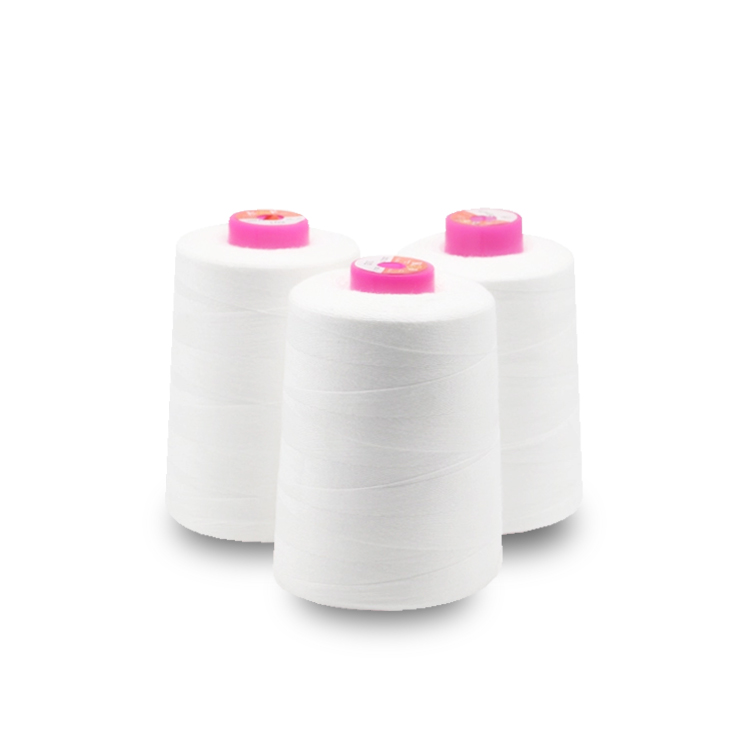

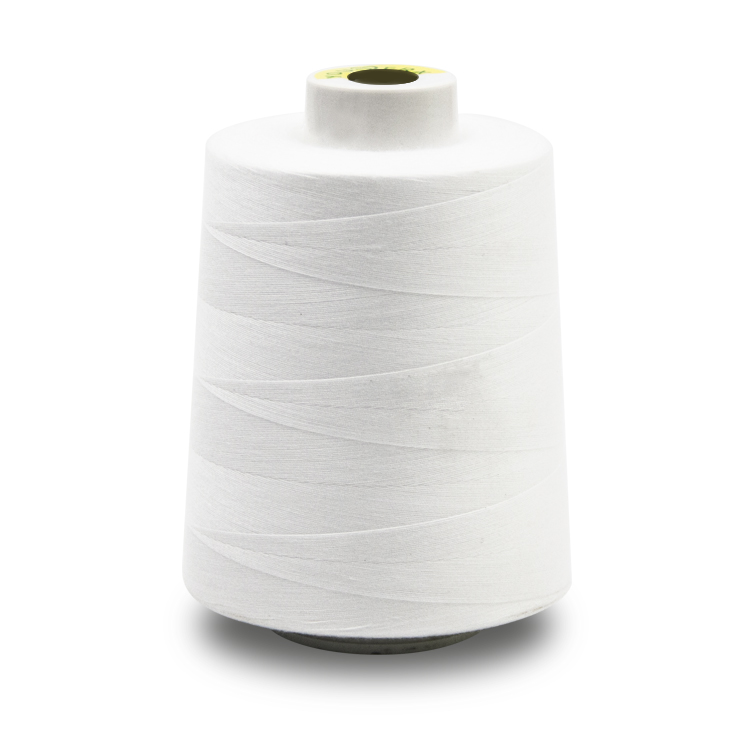

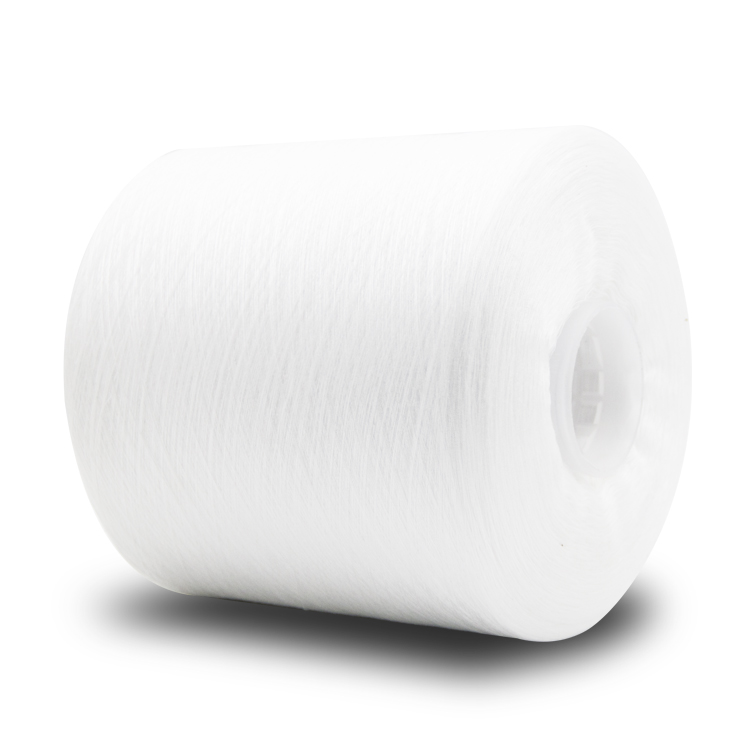
402,502 100% polyester dyed spun yarn
LQ-0412
Price: From $0.66
Delivery time: 9-20 days after payment
MOQ: 500 KG
402,502 100% polyester dyed spun yarn
Don't underestimate this "parameter" in the printing and dyeing factory! Do you think the longer the heat preservation time of reactive dyeing is, the better?
It is learned that although the fixation reaction rate is much higher than the hydrolysis reaction rate, if the process conditions are not properly controlled, such as the pH value of the dye solution is too high or the temperature is too high, the hydrolysis of the dye will be intensified, the fixation rate will be reduced, the floating color on the dyed fabric will be increased, the post-treatment burden will be increased, and the dyeing cost will be increased, and the treatment burden of the dyeing wastewater will be increased. Therefore, it is an important problem to improve the fixation rate of reactive dyes. Let's look at the following analysis
Dye directness
The precondition of fixation is to dye fiber products with dyes, and the directness of dyes is the main factor affecting the dye uptake. In general, the fixation rate of reactive dyes increases with the increase of directness. Take vinyl sulfone reactive dyes as an example, the relationship between directness and fixation rate is shown in the figure.
Figure the relationship between the directness of reactive dyes and fixation rate
It can be seen from the curve in the figure that when the directness of the dye is low, the fixation rate increases rapidly with the increase of directness. When the directness reaches a certain degree, the increase of fixation rate is not obvious.
This is because the dye with high directness has poor diffusion performance, which makes the dye fixed on the surface of the fiber. Therefore, the dye with high directness can not improve the fixation rate, but will reduce the levelness of the dye, and make the hydrolyzed dye difficult to wash, which will affect the dyeing fastness.
The direct property of reactive dyes is generally small, which is one of the reasons for the low fixation rate of reactive dyes. Therefore, in order to improve the directness of reactive dyes, it is not suitable to dye at too high temperature and pH value, because with the increase of dyeing temperature, the directness of reactive dyes decreases, as shown in the figure below.
The relationship between the temperature above and the directness and reactivity of dyes 1-directness 2-reactivity
At the same time, at a higher pH value, the degree of ionization of cellulose fiber increases, which repels the anions of dyes. As a result, the adsorption capacity of dyes decreases, as shown in the figure below.
Fig. relationship between pH value and dye directness and reactivity 1-directness 2-reactivity
Dyeing pH and temperature
The main factors affecting the reactivity of reactive dyes are dyeing temperature and pH value. In general, with the increase of temperature and pH value of dye solution, the reactivity of dye is enhanced (including the reaction with fiber and water). As shown in the figure.
Because of the increase of temperature, the reaction rate of dye increases; the increase of pH value, the expansion degree of fiber increases, and the diffusion rate of dye increases, which is conducive to the reaction between dye and fiber. However, if the pH value is too high, the ratio of [cell-o -] / [OH -] will decrease, which is not conducive to the reaction between dye and fiber. And high temperature and pH value will accelerate the hydrolysis of dye and reduce the fixation rate. Therefore, in order to ensure the normal fixation of dyes and minimize the hydrolysis of dyes, the fixation temperature and pH value should be reasonably determined according to the reactivity of the dyes themselves. Generally, the pH value should be controlled at 10-11.
Dyeing time
The dyeing of reactive dyes can be divided into two stages, i.e. up dyeing and fixation. Prolonging the time of up dyeing can make the dyes fully diffuse and permeate, increase the dye up rate, and be beneficial to even dyeing. However, after fixation of reactive dyes, the dyes and fibers are covalently bonded, and the dyes have become a part of the fibers and can no longer be transferred. Therefore, prolonging fixation time has little effect on level dyeing. For those dyes with weak reactivity, prolonging fixation time can make dye fixation more sufficient and improve fixation rate. For the dyes with poor alkali resistance of dye fiber bond, prolonging fixation time will also lead to hydrolysis of the fixed dyes.
Addition of electrolyte
In the dyeing process of reactive dyes, adding a proper amount of neutral electrolyte to promote dyeing is conducive to improving the fixation rate. This is because the addition of neutral electrolyte can reduce the potential of the electrokinetic layer on the surface of the fiber, increase the directness of the dye, and thus improve the fixation rate. Its dyeing principle and influencing factors are similar to those of direct dye dyeing.
Dye bath ratio
When exhaustion dyeing is used, the ratio of small bath can improve the dye uptake, increase the reaction rate between dye and fiber, reduce the hydrolysis of dye and improve the fixation rate.