
|
Share to:
Related Products


-
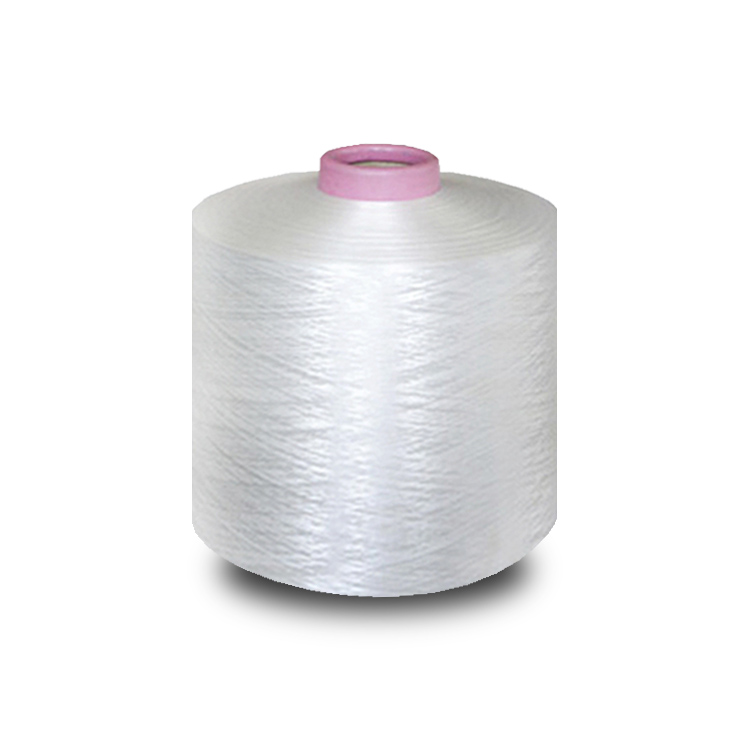
polyester POY filament AAA GRADE 100% polyester yarn
LQ-0412 -
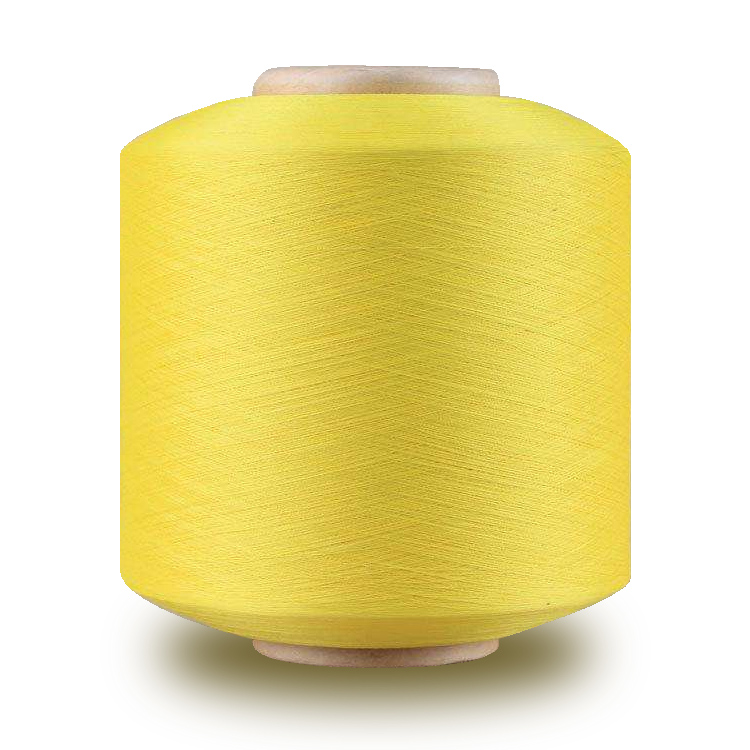
100% polyester filament yarn for nets & ropes
100% polyester filament yarn for nets & ropes
Polyester FDY low shrinkage yarn,FDY250D/48F SD RW LOW SHRINKAGE
LQ-0412
Price: From $0.66
Delivery time: 9-20 days after payment
MOQ: 500KG
Polyester FDY low shrinkage yarn,FDY250D/48F SD RW LOW SHRINKAGE
Linear density
Yarn linear density is one of the commonly used indexes to describe yarn thickness. In the past, the number of yarns was used to express the linear density. Up to now, some technicians call the linear density as the number of yarns. Especially in the wool industry, the current national standards and international standards are no longer supported. The number of yarns is expressed in metric system, which is large, fine, small and thick. Metric count refers to the number of yarns per kilometer of 1kg of wool. If the length of 1kg wool is 18000m, it is 18 yarns.
Reference materials: gb4743-83, GB / T 4743-1995, GB / T 4743-2009 textiles -- Determination of yarn linear density by winding method, FZ / T 01035 general system for marking linear density of textile materials
Yarn linear density test
1. The linear density of yarn is one of the commonly used indexes to describe the thickness of yarn. The legal unit is tex, that is, the common weight per kilometer (km) of yarn (or monofilament). Yarn linear density determines the variety, use, style and physical and mechanical properties of the fabric. For yarn linear density test, the length and mass of the sample shall be determined. The frame type length meter shall be used for length test, and the equal arm balance or electronic balance shall be used for mass test.
2 purpose and requirements
Through the test, master the test method of yarn linear density, cultivate the ability to use the instrument skillfully, understand the factors influencing the test result of yarn linear density, and learn the calculation method of each index.
3 applicable standards
3.1 applicable standards: GB / T 4743, ISO 2060.2 determination of yarn linear density of textile packages -- skein method
3.2 relevant standards: GB 6529 standard atmosphere for conditioning and testing of textiles, GB / T 9995 determination of moisture content and moisture regain of textile materials oven drying method, GB / T 9994 common moisture regain of textile materials, GB / T 6503 test method of moisture regain of synthetic filament, GB / T 6502 sampling method of synthetic filament, FZ / T 10035 general system for linear density of textile materials (Tex System), FZ / T 01015, ISO 6741-1 measurement and calculation of commercial quality of textile fiber and yarn delivery goods, etc.
4 instruments and appliances
⑿ 1 yarn length tester (Fig. 1 is yg086 yarn length tester).
⑿ 2 ventilation fast oven (Fig. 2 is y802k ventilation fast oven), chain balance or electronic balance (sensitivity is 1mg or 10mg).
5 principle
The length measuring instrument is controlled by a single-chip microcomputer, which can set the number of coiling. Each coiling (perimeter of yarn frame) is one meter, and the pre tension can be adjusted. After the instrument is started, the motor drives the yarn frame to rotate, and coiling a certain length of yarn (a twist) according to the regulations, and weighing one by one as
Sample. After that, the yarn is dried in a fast air oven, the sample is weighed in the oven, and the linear density of the yarn is calculated according to the measured mass.
6 sampling
⒍⒍ 1 on the premise of preventing the change of moisture regain of the sample, the sample shall be sampled randomly. According to the needs of the test cycle in the factory and the quantity of the same type of equipment, the manufacturer shall arrange the sampling reasonably according to the principle of "generally monitoring in a cycle".
(2) the quantity of trade sampling can be selected according to the provisions of product standards or relevant agreements. In the absence of such standards, it should be determined by mathematical statistics according to the required precision and probability level of test results.
7 sample
⒎ 1 test at least 4 reels for filament yarn and 10 reels for staple yarn. Take at least 1 strand per roll.
⒎ 2 if the coefficient of variation of linear density is to be calculated, at least 20 samples shall be measured.
8 environment and amendment
The standard atmosphere for humidity regulation and test shall be in accordance with the secondary standard specified in GB 6529, and the non-standard atmosphere shall be modified according to 14 items in the four oven method for the determination of moisture content of textile materials or in accordance with the product standard. Place the sample in the atmosphere required by the standard for pre conditioning for at least 4h, and then expose it to the standard atmosphere for test for 24h, or for at least 30min, with the mass change not more than 0.1%.
9 procedure and operation
⒐ 1 rewind the yarn from the package, remove the first few meters, and introduce the yarn head to the frame of the yarn length tester (see figure 23-1), start the tester, shake out the yarn as the sample to be tested. The yarn length requirements are shown in table 23-1. During winding, a certain winding tension shall be set according to the requirements of table 23-2.
Table 23-1 yarn length requirements
Yarn (Tex)
Below 12.5
12.5 to 100
Greater than 100
Yarn length (m)
Two hundred
One hundred
Ten
Table 23-2 spinning tension
Yarn variety
Non deformation yarn and bulk yarn
Knitwear and roving
Other textured yarn
Tension requirements (CN / Tex)
0.5 + 0.1
0.25 + 0.05
1 + 0.2
9.2 remove the yarn from the length gauge, weigh each yarn in turn, and weigh the total mass (accurate to 0.01g).
⒐ 2.1 measure the linear density of the moisture regulating yarn: directly weigh the mass of the moisture regulating test yarn.