
|
Share to:
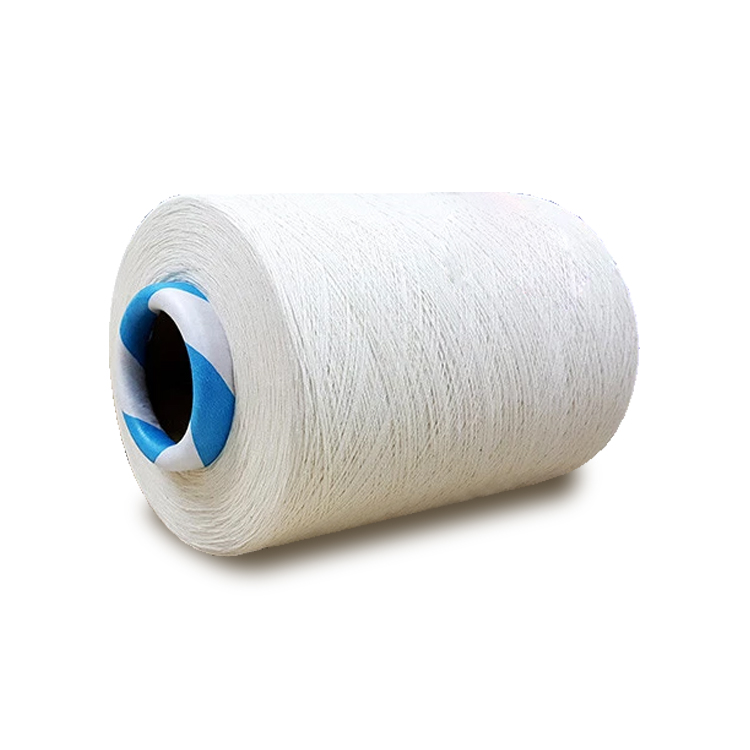
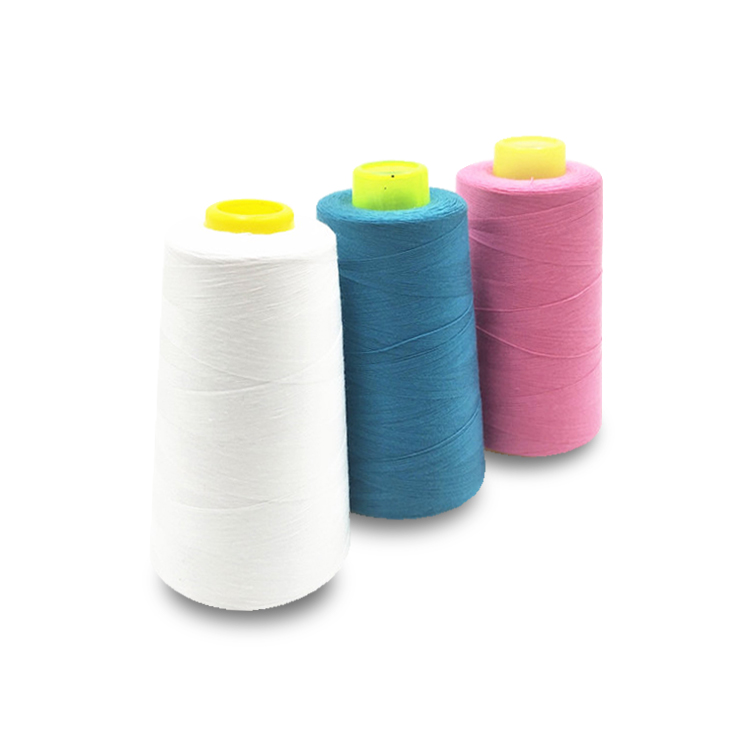
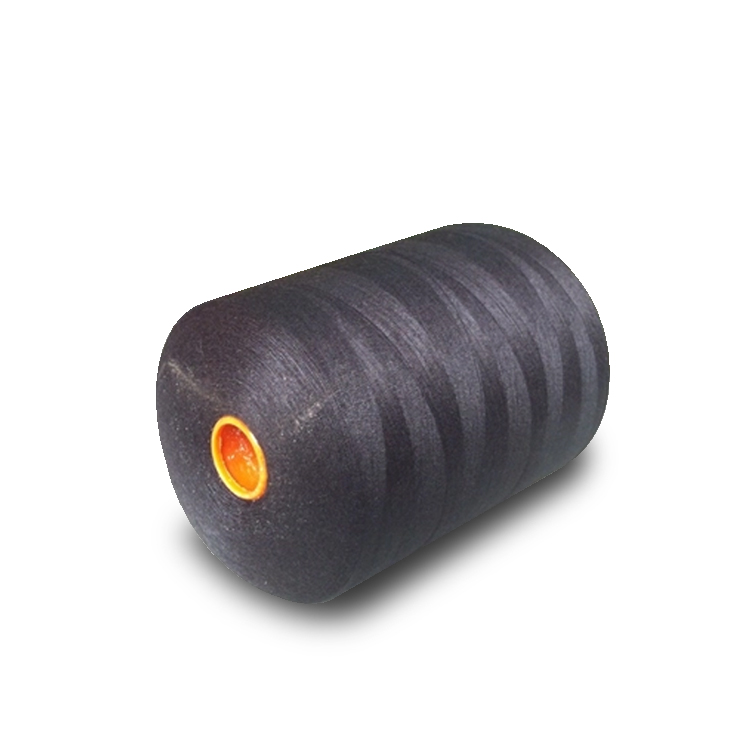
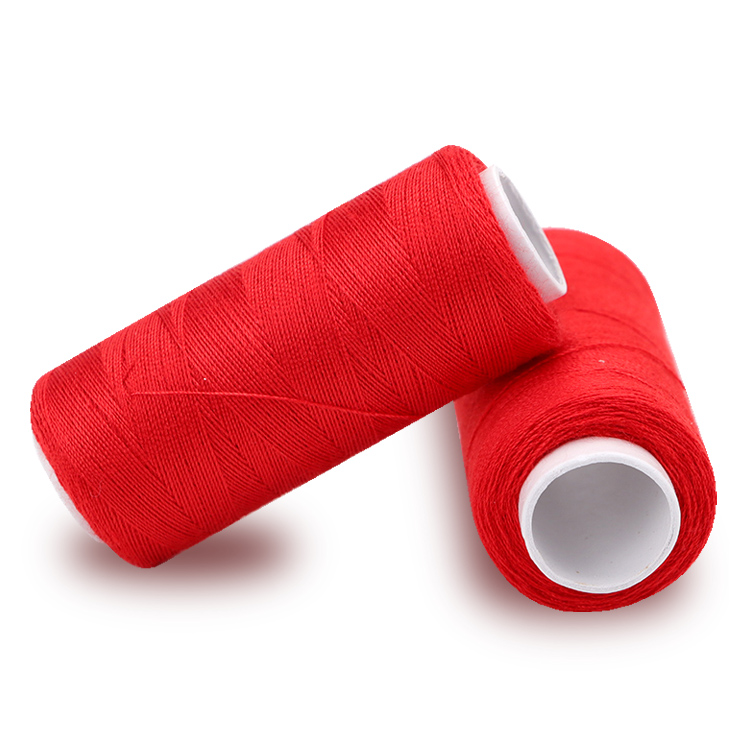
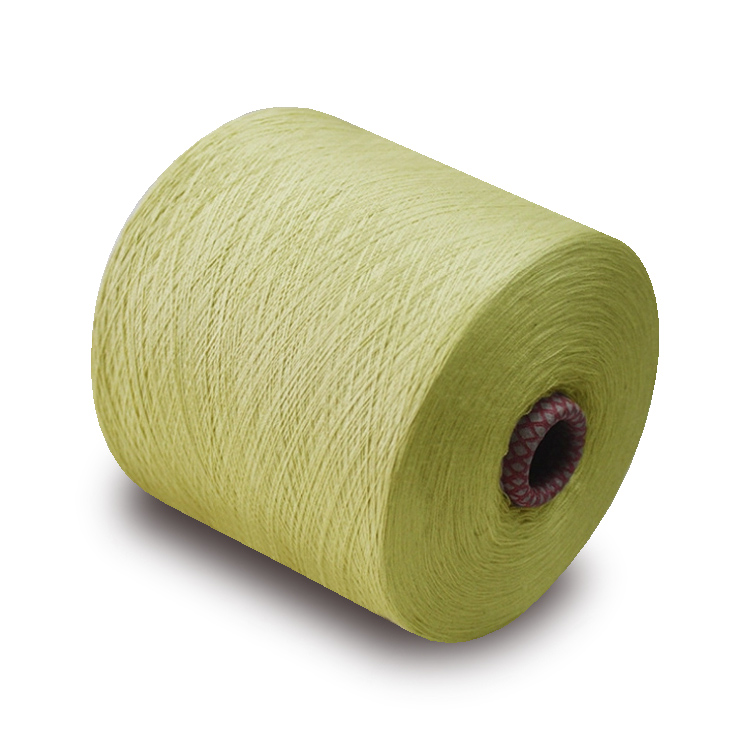
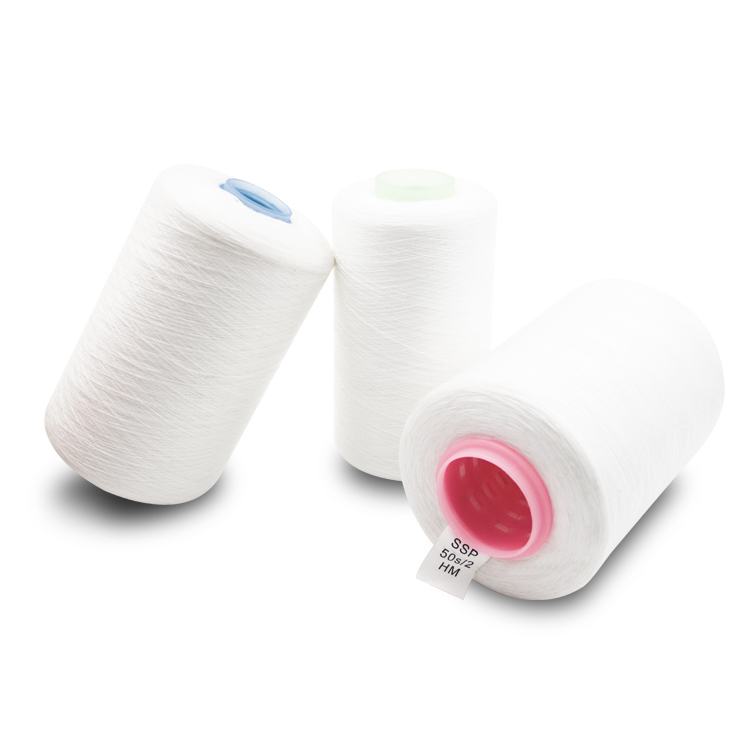
Poly Poly/Poly Cotton Core Spun Polyester Yarn
LQ-0412
Price: From $0.66
Delivery time: 9-20 days after payment
MOQ: 500KG
Poly Poly/Poly Cotton Core Spun Polyester Yarn
Color fastness, color fastness and staining fastness
Colour fastness
Color fastness is also known as color fastness and dyeing fastness. It refers to the resistance of the color of textiles to various functions in the process of processing and use.

According to the discoloration of the sample and the staining of the non dyed lining fabric, the fastness grade is evaluated. The color fastness test of textiles is a routine test item in the internal quality test of textiles.
In the process of using textiles, they will be affected by light, washing, ironing, perspiration, friction, chemicals and other external factors. Some printing and dyeing textiles are also processed by special finishing, such as resin finishing, flame retardant finishing, sand washing, wool grinding, etc., which requires that the color of printing and dyeing textiles should be relatively stable.
Color fastness

Color fastness refers to color fastness for short; the color of colored fiber, fabric or other colored fabric, in the process of processing and use, discusses the resistance to sunlight, washing, friction, perspiration and other corrosive effects.
The color abundance is rated as grade 5, except that the fastness to light and old sun is grade R. The higher the order, the better the color fastness. There are two methods for leather determination: discoloration (change of leather color) and staining.
Fading test is the color difference between the leather sample and the untreated test sample UU after the leather sample is treated according to the specified conditions, and the standard gray sample card is used for comparison and grading. The staining test is to touch the sample with the standard white cloth according to the specified conditions, determine the extent of the white cloth being dyed by the color transfer of the sample, and measure the grade with the gray staining sample card.
Color fastness

In the process of storage, the ready-made clothes composed of different color parts will sometimes have dye migration from one area to another, usually from the dark part to the light part. This phenomenon is different from sublimation, because it is carried out at a temperature lower than sublimation temperature, and non Shenghua dyes will also have this phenomenon. Mainly reflected in the migration of polyester and other chemical fiber fabrics, other raw materials also have.
Color transfer is mainly due to two reasons: one is the transfer of dyes, especially the disperse, the floating of reactive dyes and the free dyes from the migration of fibers, which may dye the fibers on the surface of another sample; especially the dyeing of dark color to light color, which stays on the surface of another sample in the form of granule and impression. The second is that the fiber falls off under the action of friction force and transfers from one sample to another.