

|
Share to:
Related Products

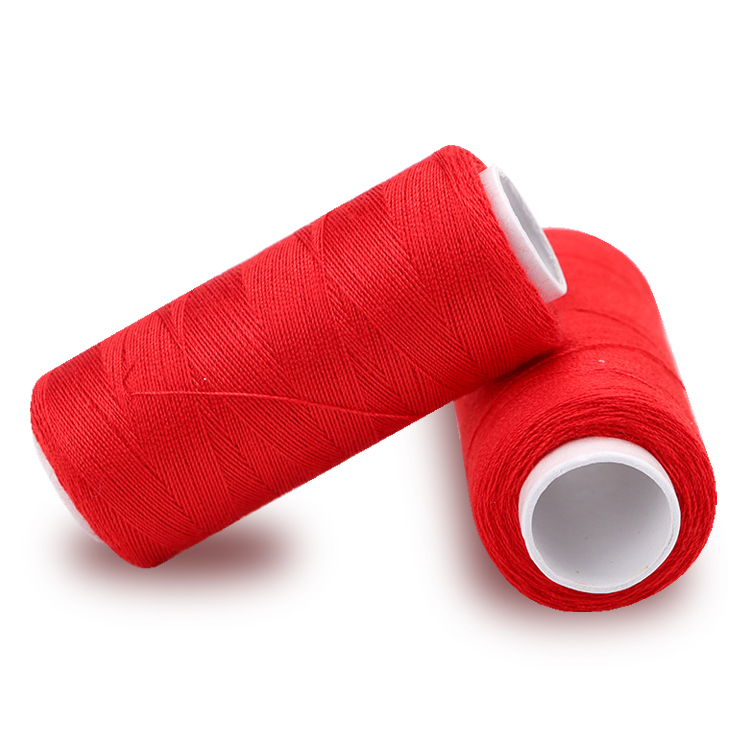
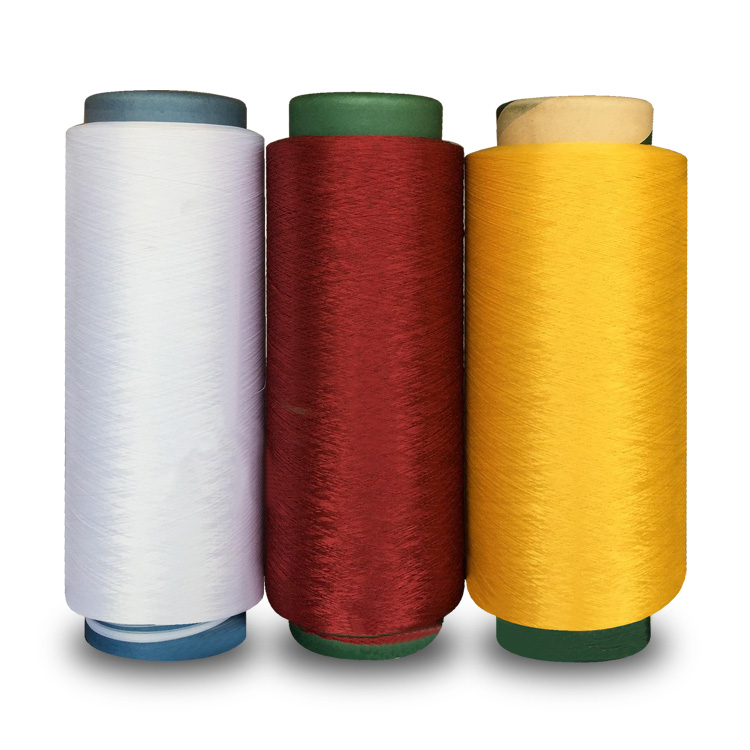
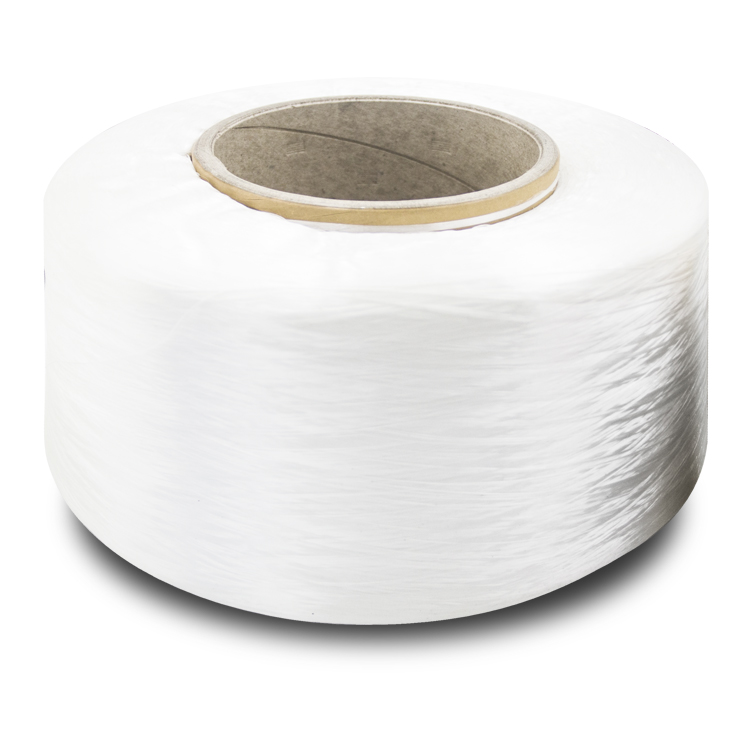
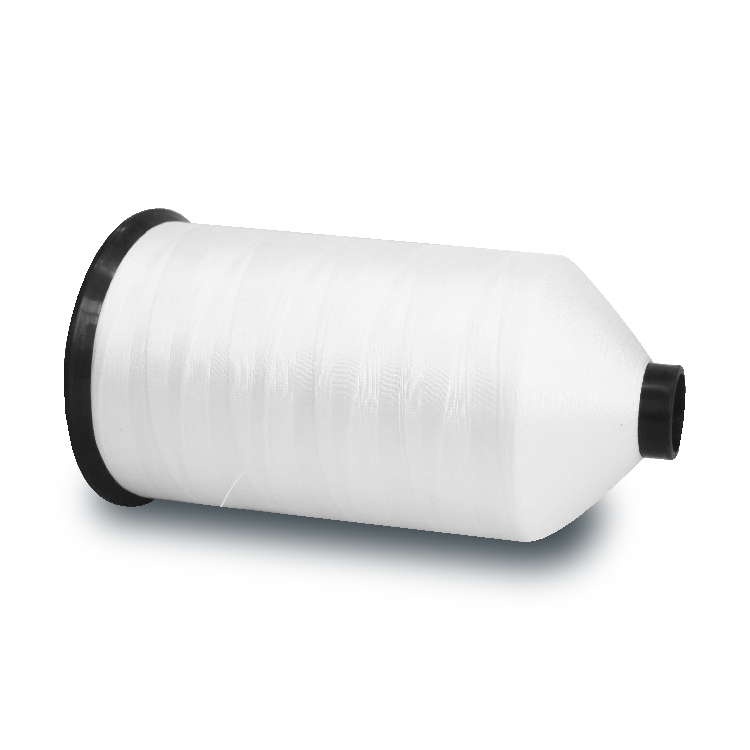
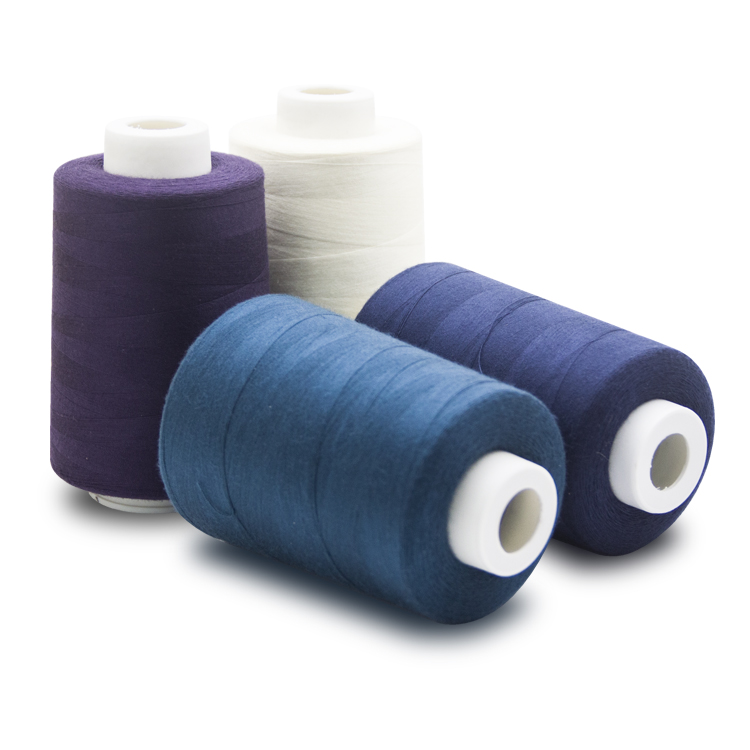
Hot selling Polyester Yarn in Dope Dyed Black From 15D to 300d
LQ-0412
Price: From $0.66
Delivery time: 9-20 days after payment
MOQ: 500KG
Hot selling Polyester Yarn in Dope Dyed Black From 15D to 300d
What is the operation process of automatic dripping and batching system?
Operation process of automatic drip batching system for printing and dyeing
With the continuous development of new textile printing and dyeing technology, textile printing and dyeing equipment is constantly updated. At present, in the printing and dyeing industry, new equipment, such as pretreatment, dyeing, printing and finishing, has emerged in an endless stream, especially after the adoption of frequency conversion technology and microcomputer technology in the electrical drive, the synchronous performance of the equipment has been greatly improved.
Printing and dyeing industry is the key industry of textile deep processing, finishing and improving added value, which is the comprehensive embodiment of the development and technical level of textile industry. Textile printing and dyeing industry is the main traditional industry in China, and also an important part of China's export to earn foreign exchange. However, due to the backward technology of China's textile industry, the product quality is not high and the added value is low. It has been playing the role of primary commodity supplier in the international market and has become an important factor restricting the export.
At present, in the key processes affecting the quality of printing and dyeing products in the domestic printing and dyeing industry, there are problems of ingredients in most of the dyeing or printing processes (boiling, bleaching, mercerizing, weighing and matching, color paste preparation, etc.). The above batching process is basically manual control.
At present, printing and dyeing ingredients are mainly divided into the following aspects:
(1) Printing size ratio
(2) Matching of printing auxiliaries
(3) Dyestuff scale and laboratory dye ratio
(4) Proportion of dyeing auxiliaries
(5) The ratio of bleaching agent, scouring agent and bleaching agent
In the traditional proportioning process, the whole process is manually completed, with low precision and poor accuracy. The influence of human factors is great, the labor intensity is large, the operation environment is bad, and the guidance of small sample to large-scale production is poor. The technical files and data are completely based on manual experience accumulation and manual recording, which can not realize the computer information management of technical files, and can not complete the online transfer and transfer of technical data Check.
The color light source has also developed from the original natural light and office fluorescent lamp to D65, CWF, tl84, u30 and other standard light sources, and the color matching of one light source has been increased to two kinds of light sources, and even a variety of light sources do not change color, which is far higher than the requirements of national standards.
Therefore, automatic batching in printing and dyeing process is bound to be a big topic in front of us. This paper describes the research and international tracking of automatic batching technology in printing and dyeing industry in recent years.

Current domestic situation
(1) The proportion of printing paste and auxiliaries
At present, most of the color paste mixing ratio in China is completed manually, so all the recipe library management is based on manual recording and manual operation of color matching. The control of the whole process is mainly based on manual experience. Therefore, the accuracy of color matching is poor, and the color light requirements are difficult to meet the needs of customers, and often lead to customer chargebacks, even claims, to enterprises It's a huge loss.
In the preparation of printing paste, the control of paste viscosity and additives such as urea and soda ash rely on manual control, which directly affects the quality of the whole printing product.
Therefore, at present, some domestic printing and dyeing manufacturers are using automatic sizing system to improve the quality of products and improve the overall automation.
(2) The proportion of dyestuff scale and laboratory drip
At present, most of the domestic dyeing processes are based on the formulation of the material list, and then weigh out the dyes in the material room. Each dye is weighed out manually by electronic balance.
In this way, there is often color difference due to the inaccuracy of manual weighing.
At present, some manufacturers have adopted the automatic powder weighing system. After inputting the formula into the computer, the computer automatically controls the powder warehouse according to the weighing amount, and the machine automatically supplies the dye to the barrel according to the requirements. Although this method has a high degree of automation, because the powder tank can not be too large, when the dark color material is weighed (i.e. when the material is weighed in large quantity), it is generally greater than 5kg, so it has to be weighed manually. In addition, the moisture absorption of dye warehouse also affects the error of weighing material.
Therefore, at present, some domestic manufacturers also adopt the method of liquid cutting after solid dyes are converted into liquid.
(3) Proportion of auxiliaries in printing and dyeing process
The distribution of auxiliaries runs through the whole process of printing and dyeing. There are problems in the distribution of auxiliaries in mercerizing, bleaching, bleaching, dyeing and printing.
In the process of steaming, boiling, washing and drying in printing and dyeing production, many different functional chemical auxiliaries are added, which determines that each production order must be carried out according to the process formulated by the technical personnel from the beginning of grey cloth entering the factory. Due to the lack of automatic control unit, the traditional printing and dyeing equipment needs to rely on the experience of car stop workers to adjust the required process, resulting in the product The quality is difficult to control, the cost is too high, the production plan is changeable, the production efficiency is low, and it causes a great waste of enterprise resources. At the same time, a large number of residual liquid and consumption materials cause serious environmental protection pressure.
Although most of the auxiliaries in weighing, its error requirements are not as high as the accuracy of dyes, but its distribution volume is large. At present, there are inevitably the following problems using manual methods.
a. The process control of the ratio is not strict, which affects the consistency of printing and dyeing products.
b. The process waste is relatively large. The accuracy of material consumption statistics is poor.
c. Operation labor intensity is large.
d. It is difficult to standardize production management.
Our polyester dyeing still has a lot of room for development.