
|
Share to:
Related Products
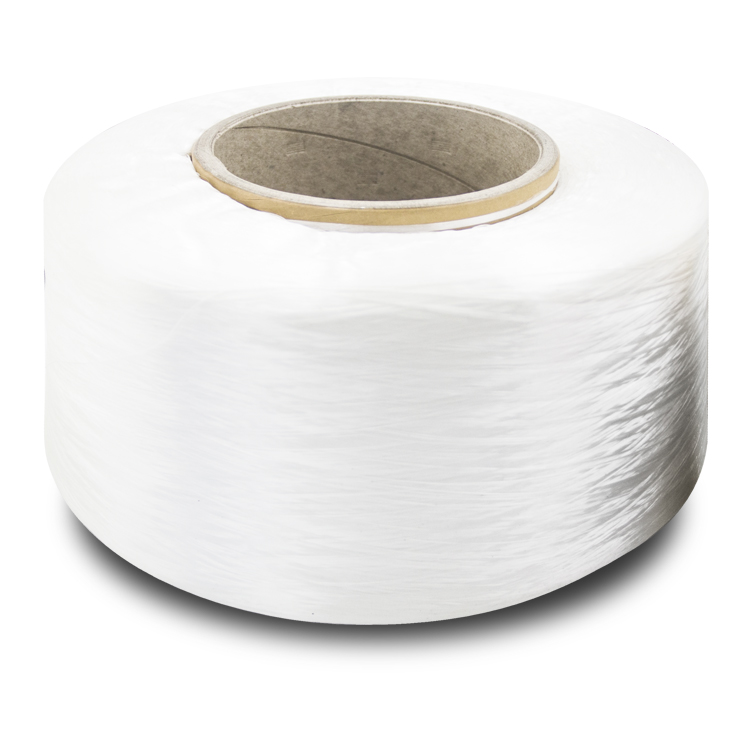


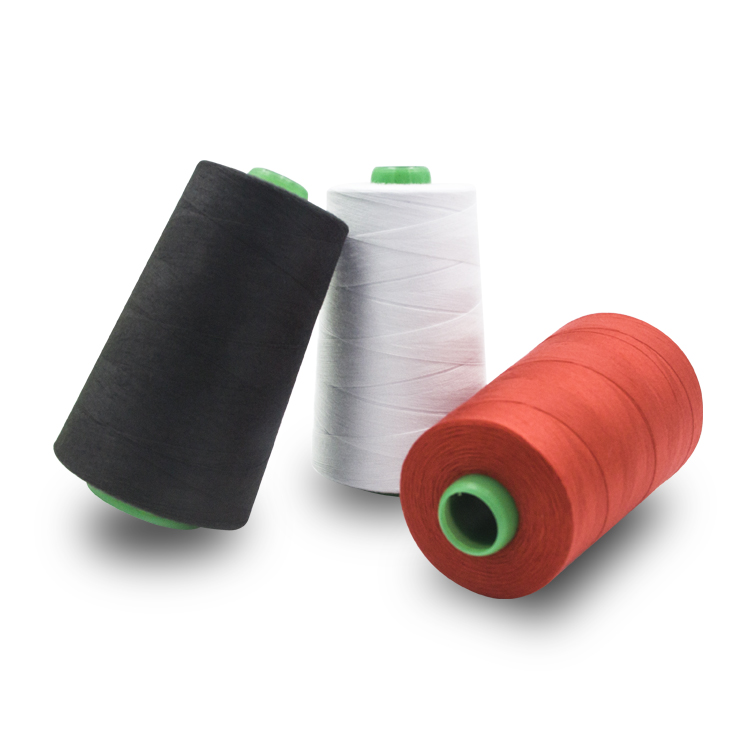
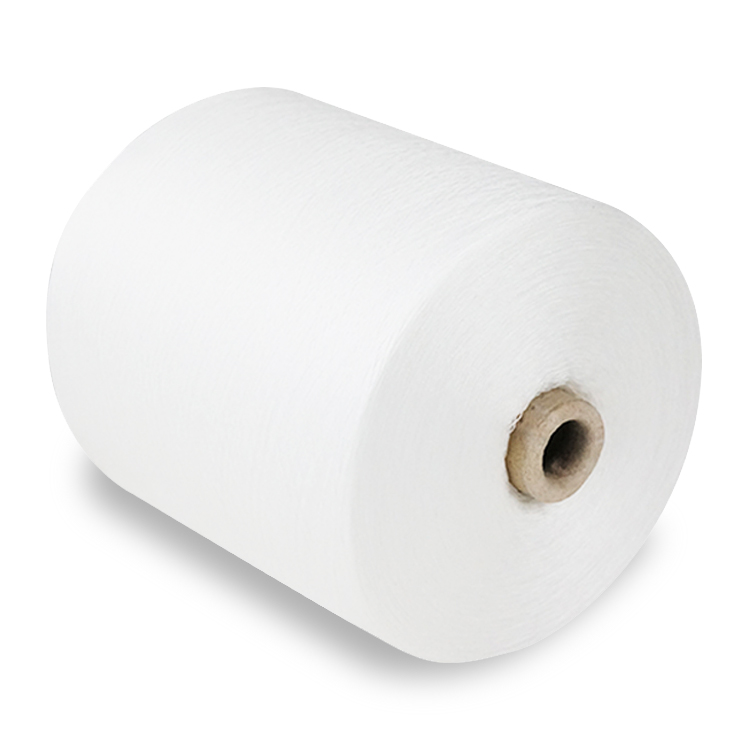

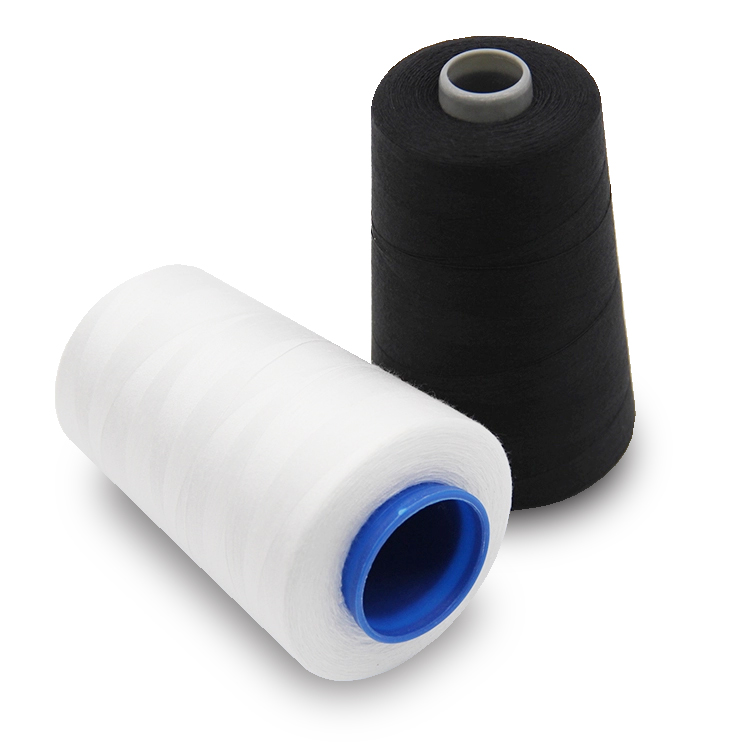
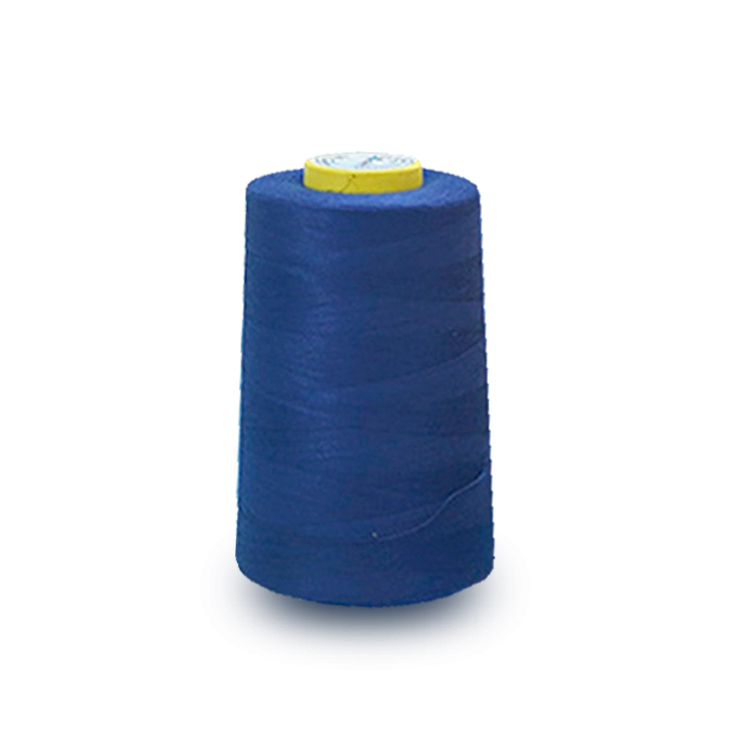
40/2 high tenacity polyester yarn for sewing
LQ-0412
Price: From $0.66
Delivery time: 9-20 days after payment
MOQ: 500KG
40/2 high tenacity polyester yarn for sewing
Quality index and control points of card sliver
In the carding system, the process after carding no longer has the function of opening, carding and removing impurities, so the quality of sliver, especially the content of neps and impurities, directly affects the quality of yarn. Therefore, the quality control of sliver is particularly important.
1、 Quality index of strip production
The quality index of production strip can be divided into two categories: regular inspection items and reference items.
(1) Regular inspection items
1. Unevenness of sliver
The unevenness rate of raw sliver reflects the unevenness of thickness and fineness on each meter segment of raw sliver. There are two test indexes, i.e. Sabouraud sliver and Ubbelohde sliver. Generally, Sabouraud sliver should be controlled within the range of 14% - 18%, and Ubbelohde sliver CV should be controlled within the range of 4%.
2. Unevenness of raw bar weight
It reflects the unevenness of the thickness and fineness of the 5-meter segment of the sliver, and the unevenness of the weight should be controlled below 4.0%.
3. Raw NEP impurity
It reflects the number of neps and impurities contained in each gram of sliver, which is determined by the enterprise according to the product requirements.
4. Sliver short pile rate
It refers to the percentage of fibers less than 16mm in the raw sliver. To a certain extent, the carding process not only eliminates short fibers, but also produces short fibers. The production of short fiber in common carding machine is larger than that of exclusion, so the content of short fiber in sliver is generally more than that in cotton roll. After adopting multiple suction points to absorb air, the removal amount of short fiber and dust from carding machine is greatly increased, which can make the short fiber content in sliver less than that of cotton roll, and the short fiber rate of sliver is generally controlled within 4%.
(2) Reference index
The clarity of cotton web is a comprehensive index reflecting the structure state of cotton web. By observing the straightness, separation and even distribution of fibers in cotton web by visual inspection, we can quickly understand the mechanical state and process configuration of carding machine.
Two. Control of NEP impurity in sliver
The NEP impurity in the sliver will directly affect the NEP impurity and fabric defects of the carding yarn, the normal movement of the fiber in the drafting process of merging, coarseness and fineness, and the normal movement of the steel wire coil in the twisting and winding process of the spinning yarn, resulting in the deterioration of the sliver and the increase of yarn defects and broken ends. Therefore, it is necessary to control and reduce the number of grains. In the production, we should strengthen the control and management, rectify the backward machines, and minimize the dispersion of neps and impurities between machines.
In the process of cleaning and carding, the fibers need to be strongly attacked and carefully combed, and the number of neps has increased. Especially in the carding process, the immature fibers are hit and rubbed by the teeth of the thorn roller, and are repeatedly twisted in the working areas of the cylinder and the cover plate, which is easy to twist into neps; In addition, some fibers with impurities, stiff cotton or cotton lint are easy to be converted into neps. Therefore, from raw cotton to green sliver, the weight percentage of impurities decreased rapidly, but the number of impurities increased gradually, and the weight of each impurity decreased. In spinning process, some neps and impurities are wrapped inside the sliver, so the number of neps and impurities in the sliver is 20% - 40% less than that in the sliver.
In order to control the NEP impurity, the dedusting function of the rear carriage and the cover plate should be brought into full play according to the raw material properties, the quality of the cotton roll and the quality of the yarn. The main measures are:
(1) Configure the carding process:
The combination of carding technology with "four front and one standard" and "tight separation distance" can increase the percentage of single fiber in the cotton web, make the fiber straighten and parallel, separate the fiber and impurities fully, and improve the ability of the carding machine to remove neps and impurities.
(2) Early and timely
The cleaning and carding processes should be reasonably divided, as well as the various parts of the carding machine itself. For the impurities which are generally large and easy to be separated, the principle of early falling and less crushing shall be implemented; for the impurities with high adhesion, especially those with long fibers, it is not suitable to fall early when they are not separated from the fibers, and it is better to remove them after fully combing on the carding machine. When the maturity of raw cotton is poor and there are many impurities with fiber, the burden of noil and impurity removal should be increased properly.
The roller part of the carding machine is the key area for dropping impurities. The impurities with broken seeds, stiff petals and short fibers should be discharged in this area so as to prevent the impurities from being broken or inserted between the teeth of the cylinder needle and affect the carding function. Therefore, in addition to a small amount of adherent impurities, the thorn roller part should fall early and fall more frequently. Reasonable configuration of the speed and the back carriage process of the pricking roller has obvious effect on improving the impurity removal efficiency of the pricking roller part and reducing the bar knot. The cylinder and cover plate are suitable for removing small impurities, neps and short fibers with different lengths.
According to the tightness of the fiber composition in the NEP, it can be divided into loose NEP and tight nep, most of which contain impurities. A NEP is generally composed of dozens of fibers, most of which are thin-walled fibers with low maturity coefficient. The rigidity of such fibers is small and the moisture regain rate is large. Due to the impact and friction of the thorn roller and the repeated rubbing between the cylinder cover plates on the carding machine, it is easy to kink and form a NEP. In addition, when the cylinder, cover plate and doffer needle teeth are blunt or have burr, the fiber can not be repeatedly transferred between the two needle surfaces, and it is easy to float between the two needle surfaces, and it is rubbed by other fibers to form more neps. The gap between the prick roller and the cylinder is too large and the saw tooth is not smooth, which is easy to cause the peeling between the prick roller of the cylinder and the back flower of the prick roller, thus the NEP is obviously increased. The surface of cylinder needle is rough due to rolling, the surface of cylinder needle has oil stains and rust spots, and the distance between cylinder and doffer is too large, which is easy to make cylinder produce twining flowers and increase neps.